AI-Assisted TCM Learning
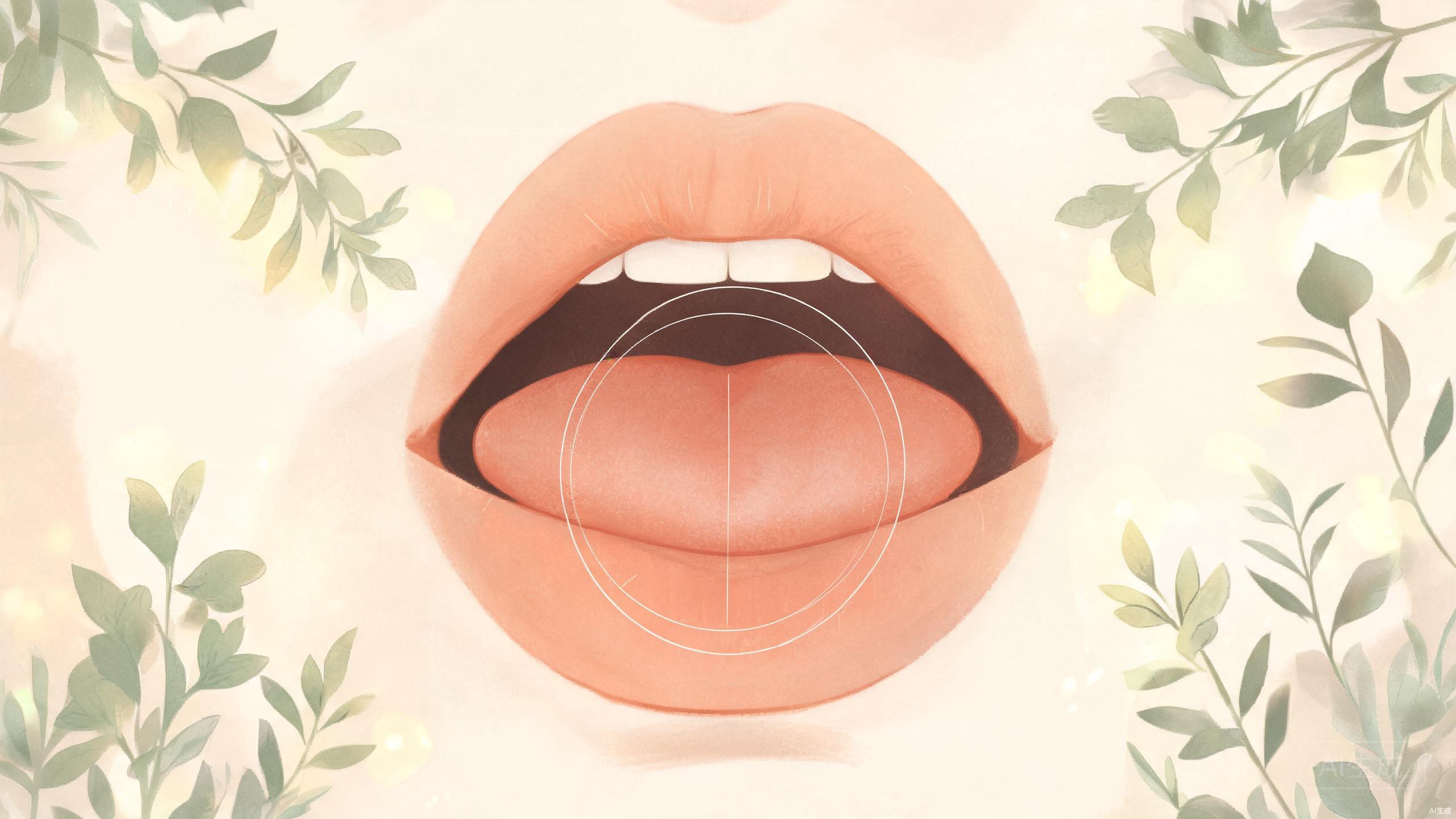
AI Tongue Observation
Explore tongue characteristics as they are understood in Traditional Chinese Medicine. This tool is for educational curiosity only — it does not diagnose, treat, or replace care from a qualified practitioner.
How it works
Three simple steps from photo to educational note.
1. Take a clear photo
Use natural light, stick out your tongue gently, and keep the image in focus. A neutral background gives the most useful view.
2. AI observes visible features
The model looks at tongue color, coating, shape, and moisture as visible in the image — signals traditionally noted in TCM observation.
3. Receive an educational note
Get a plain-language summary of what the visible features may suggest in TCM theory, with confidence and uncertainty clearly labeled.
Educational exploration — not a medical diagnosis
This tool explains tongue characteristics for learning purposes only. It cannot detect disease, prescribe treatment, or replace a licensed TCM practitioner or medical professional.
Upload a tongue photo
Drag and drop an image or tap to browse. Your image is processed locally and is not stored on our servers.
What the model can and cannot infer
Understanding the boundaries helps you use this tool responsibly.
What the model can infer
- Tongue body color, such as pale, red, or purple tones
- Coating thickness, color, and distribution
- Visible shape features, such as teeth marks or swelling
- Moisture level as it appears in the photo
- Traditional TCM associations for each visible trait
What it cannot infer
- A medical diagnosis or disease name
- Underlying organ conditions unseen in the image
- Individual constitution without a full intake
- Treatment plans, dosages, or herbal prescriptions
- Whether a symptom is urgent or serious
Confidence and uncertainty
Every observation is shown with a confidence level. High confidence means the visible feature is clear and commonly described in TCM texts. Low confidence means the image quality, lighting, or ambiguity of the feature limits what can be reasonably said.
If an observation is uncertain, the tool will say so plainly. We will never hide uncertainty behind a single definitive label. Use the output as a prompt for further learning or discussion with a practitioner.
Privacy and deletion controls
Your tongue photo is processed for inference only. It is not stored on our servers, added to any profile, or used to train models. You can close the page or clear your browser data at any time to delete the image from your device.
No storage
Images are analyzed in the session and then discarded.
No identity link
No account is needed to use the tongue explorer.
Delete anytime
Clear your session or browser cache to remove all traces.
Frequently asked questions
Quick answers about accuracy, privacy, and next steps.
Is the AI tongue observation medically accurate?
It is designed for educational exploration. The model describes visible features that appear in traditional TCM tongue texts, but it cannot provide a diagnosis or replace a qualified practitioner.
Who can see my tongue photo?
Nobody. The image is used only for the current observation and is not stored, shared, or used for model training.
What kind of photo works best?
Use natural daylight, stick your tongue out gently, keep it relaxed, and avoid filters or color correction. The clearer and more evenly lit the photo, the more reliable the visible observations.
What should I do after receiving an observation?
Use the result as a starting point for learning or discussion. If you have symptoms that concern you, consult a licensed TCM practitioner or healthcare provider.
Save Your Results to My TCM Profile
Keep a record of your exploration in your personal TCM Profile. Build a wellness history over time — educational, not diagnostic.
This tool provides educational information within the traditional TCM framework. It is not a medical diagnosis and should not replace professional healthcare advice.