What Is Late Summer in TCM?
In Traditional Chinese Medicine, the year is not divided into four seasons alone. Late summer — the generous, golden interval between the peak of summer and the first cool winds of autumn — is treated as a season in its own right. It corresponds to the Earth element, the color yellow, the emotion of worry, and the digestive organs: the Spleen and Stomach.
The Spleen is not the anatomical spleen of Western medicine, but a functional system governing transformation and transportation. It turns food and drink into usable Qi, blood, and fluids, then distributes them upward to the lungs and heart and downward to the kidneys and bladder. When the Earth element is strong, appetite is steady, energy is reliable, muscles feel firm, and thinking is clear. When it weakens, dampness accumulates: heaviness, bloating, loose stools, mental fog, and sweet cravings.
Late summer is therefore the optimal window to repair digestion, rebuild reserves, and prepare the body for the dryness and contraction of autumn. The guiding principle is gentle nourishment: warm, cooked, lightly seasoned foods eaten slowly and at regular hours.
Element
Earth — centered, grounding, nourishing
Organs
Spleen and Stomach — digestion and absorption
Quality
Dampness — manage moisture, avoid cold drinks
Foods That Nourish Late Summer
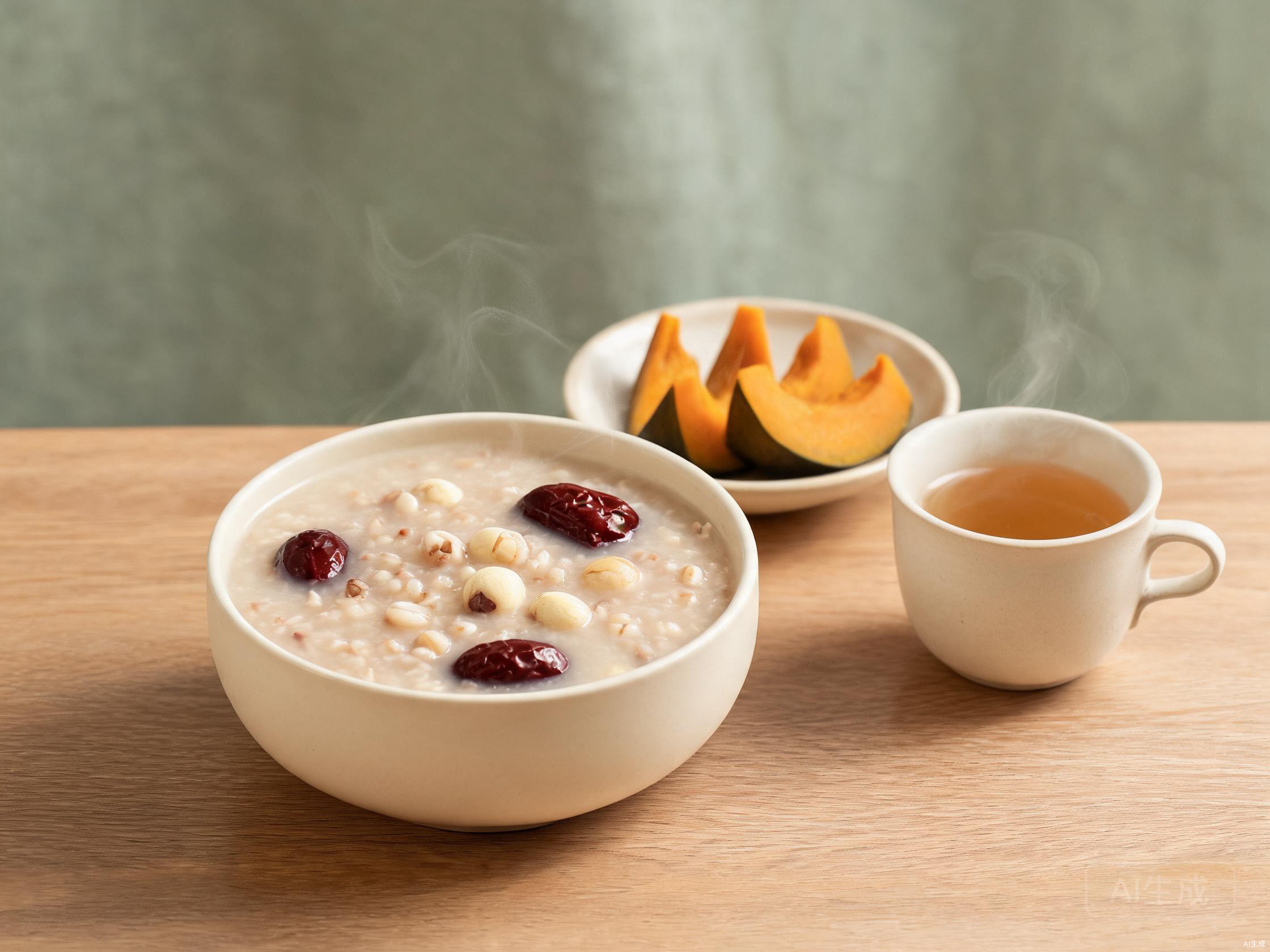
Late-summer eating favors foods that are mildly sweet, warm or neutral in temperature, and easy to digest. Think of congee, steamed squash, millet, adzuki beans, fresh ginger, and lightly cooked greens. The goal is to support the Spleen without overwhelming it.
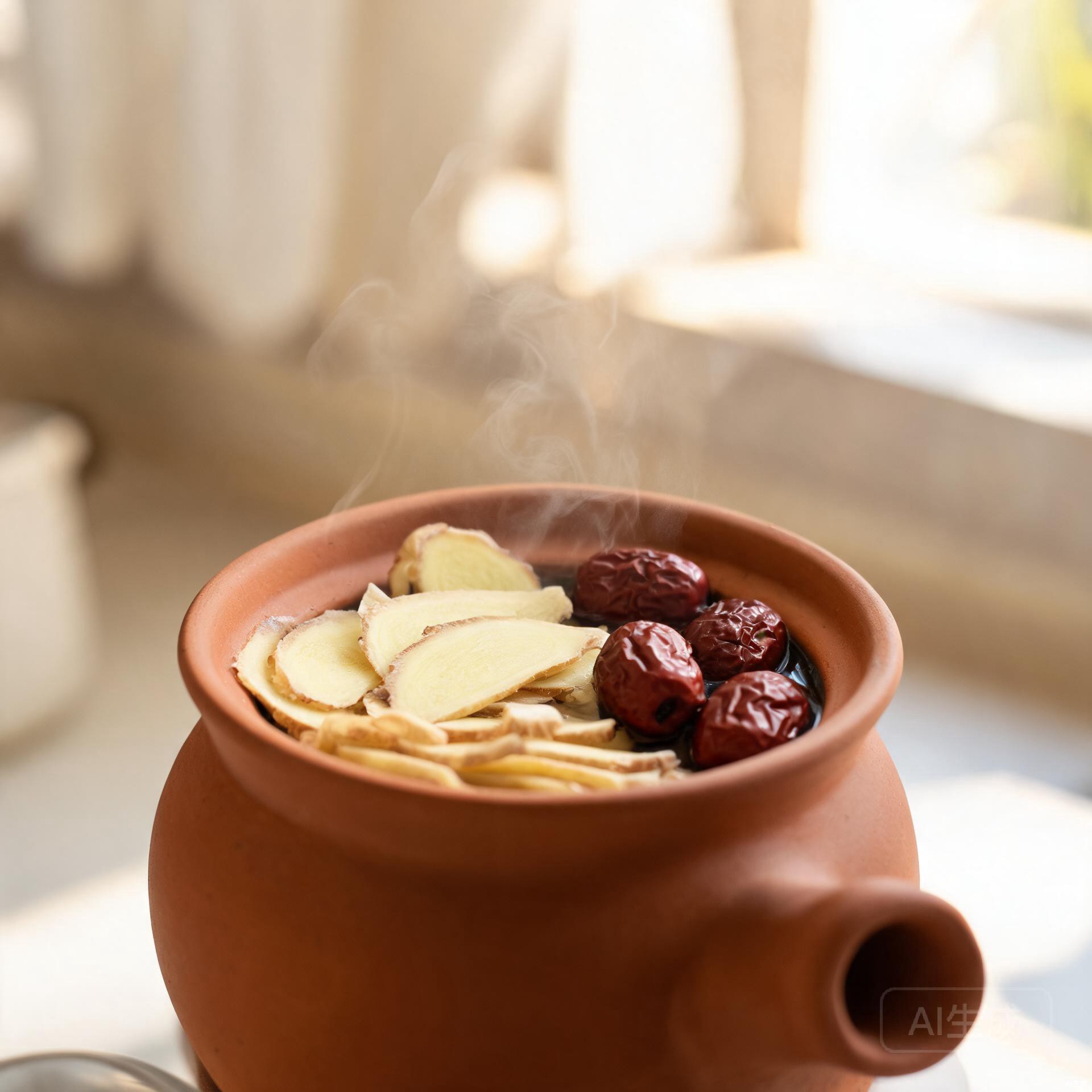
Ginger & Red Date Tea
A warming pair for late-summer mornings. Ginger gently disperses dampness and warms the middle; red dates tonify blood and calm the spirit. Sip warm, not hot, before 11 a.m.
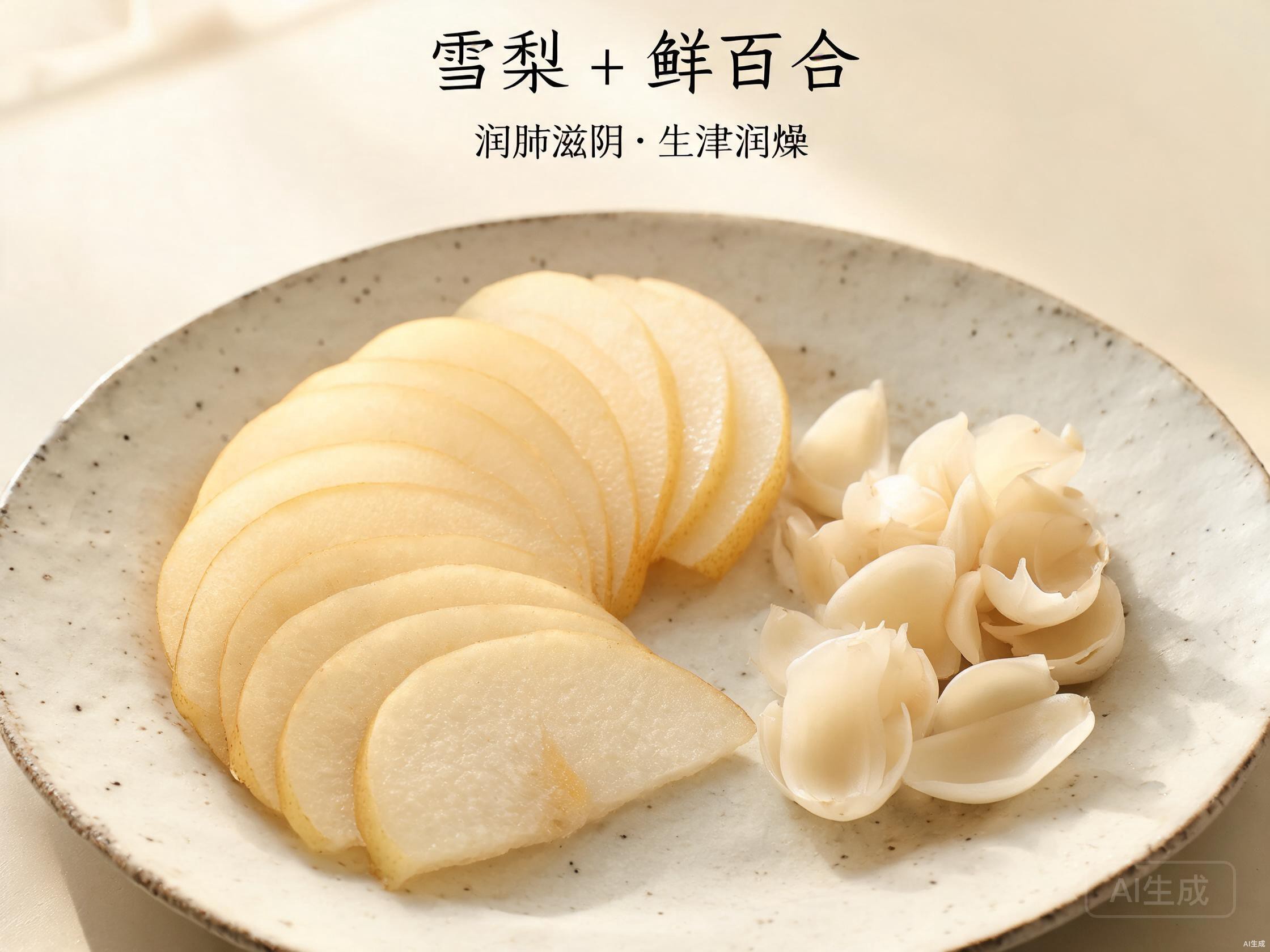
Pear & Lily Bulb
As late summer tips toward autumn dryness, this cool-sweet combination moistens the lungs and clears mild heat. Best in the evening, served barely warm.
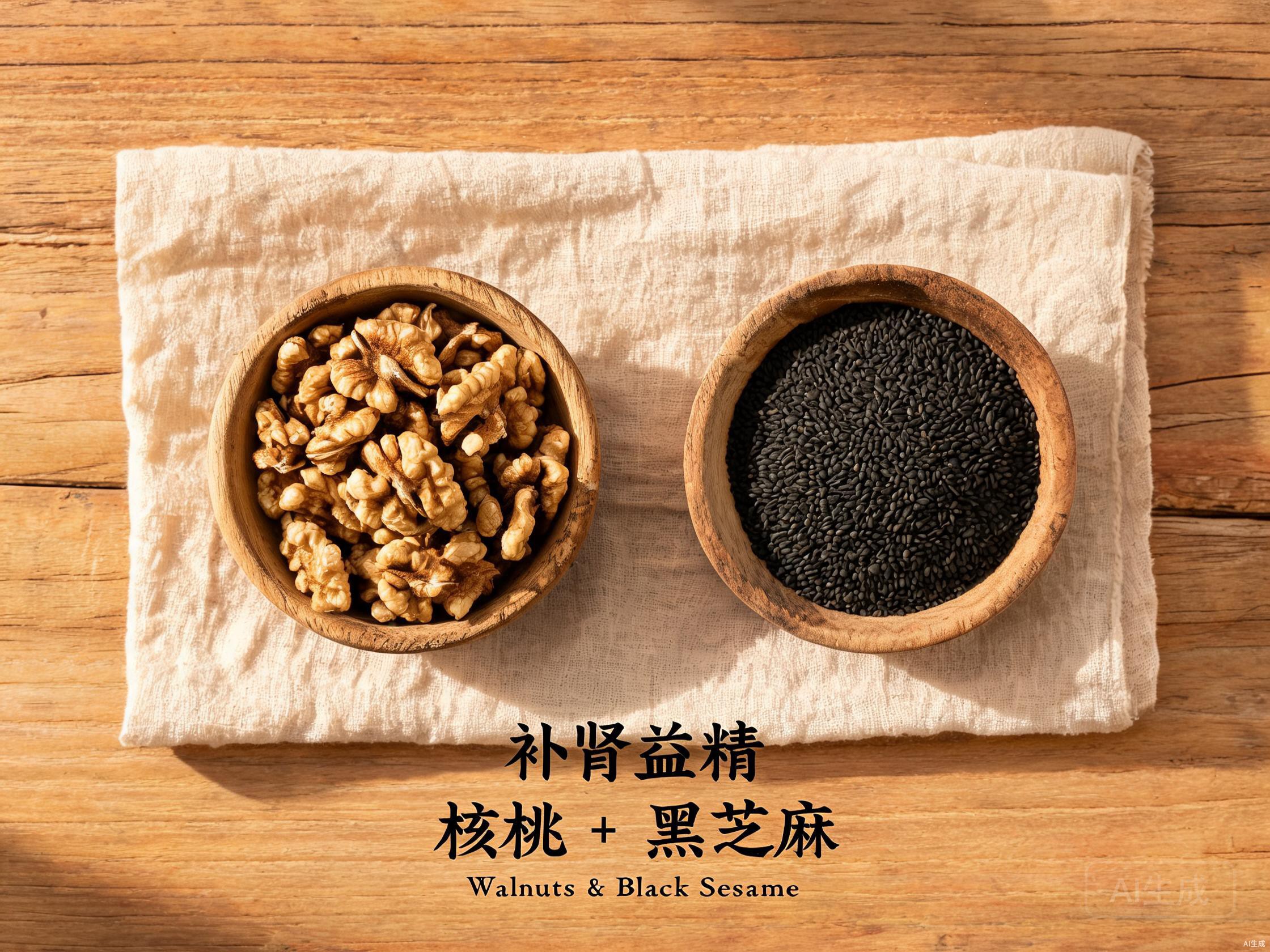
Walnut & Sesame Congee
A neutral, grounding breakfast that supports the kidneys and large intestine. Sesame nourishes yin; walnuts warm yang. Both are slow-cooked for digestibility.
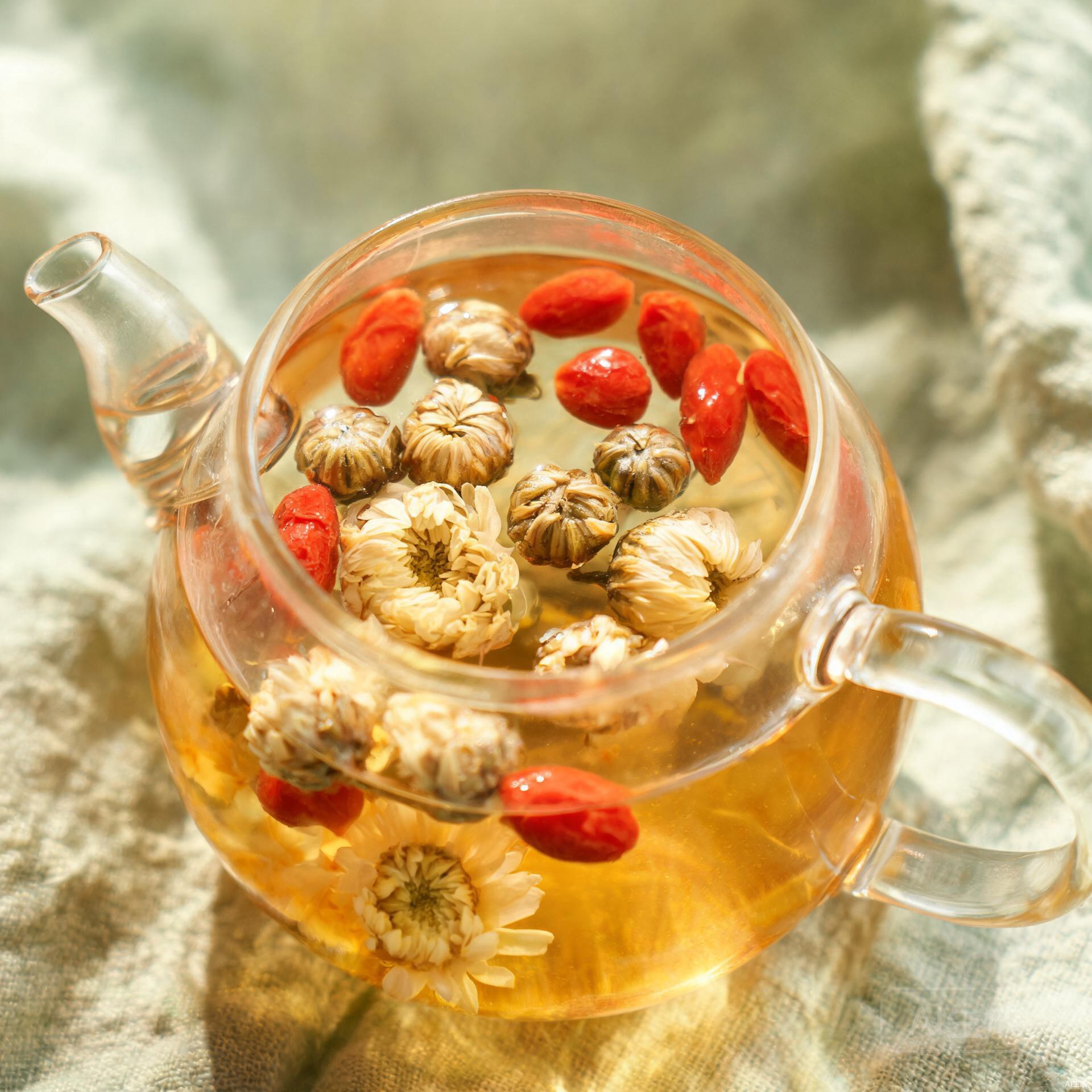
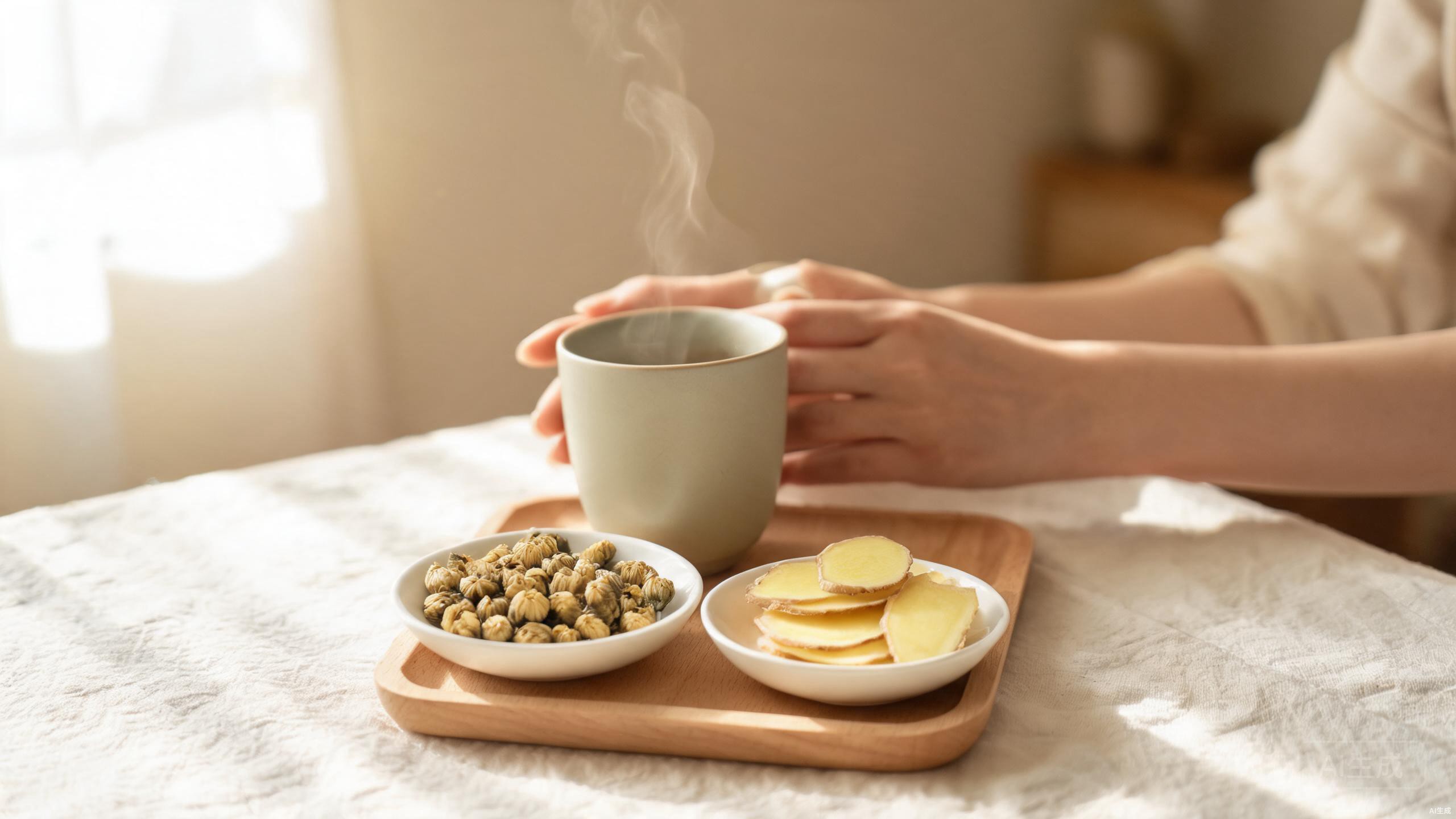
Chrysanthemum Tea
Cooling and aromatic, chrysanthemum clears wind-heat and soothes tired eyes. Use it on days that still feel summery, but avoid large amounts if your digestion is already cold or weak.
Late-Summer Flavor Cheat Sheet
- Favor: warm, cooked, lightly sweet, yellow/orange foods; ginger, cardamom, fennel.
- Minimize: iced drinks, raw salads, excessive dairy, refined sugar, greasy takeout.
- Timing: breakfast like a king, lunch like a merchant, dinner like a pauper.
The Spleen likes dryness and dislikes dampness; the Stomach likes moisture and dislikes dryness. Feed them warm, cooked food and the middle burner becomes the furnace of the whole body.
Daily Rituals for Earth Balance
Food is only one branch of late-summer care. Movement, breath, and routine keep the Earth element from sinking into stagnation. The following practices are gentle enough for beginners and require no special equipment.
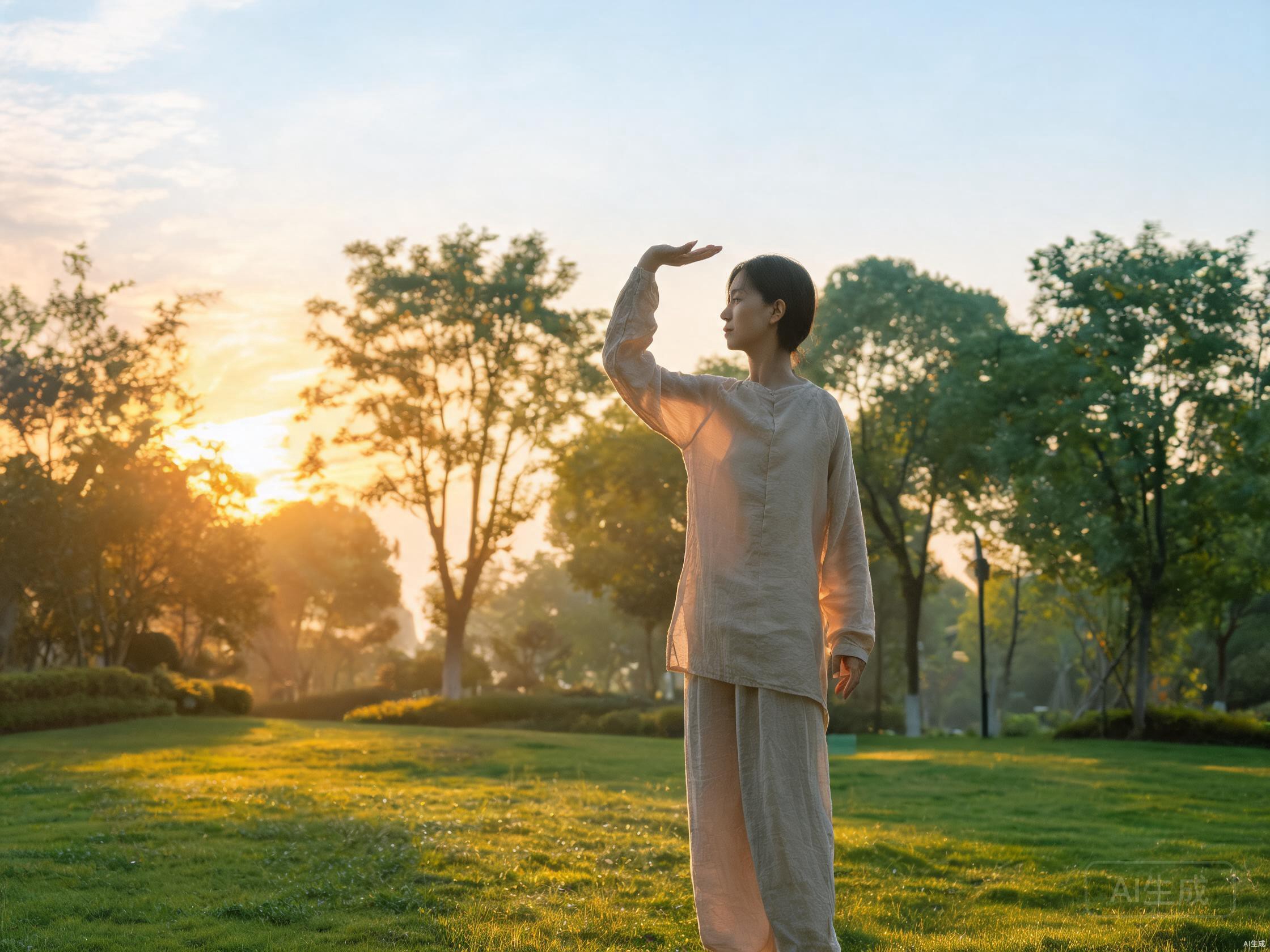
Qigong for the Spleen
A ten-minute sequence of gentle twists, knee bends, and slow arm circles stimulates the Spleen and Stomach meridians. Practice outdoors in morning light, barefoot if safe.
- Stand with feet shoulder-width apart, knees soft.
- Breathe in through the nose for four counts, out for six.
- Slowly twist the torso left and right, letting arms swing.
- Finish with palms over the lower abdomen, breathing gently.

Acupressure at Home
Two points are especially helpful during late summer: Stomach 36 (Zu San Li) below the knee, and Spleen 6 (San Yin Jiao) above the inner ankle.
- ST 36: Four finger-widths below the kneecap, one finger-width outside the shinbone. Press for 1–2 minutes.
- SP 6: Four finger-widths above the inner ankle, just behind the shinbone. Avoid during pregnancy.
Evening Wind-Down Ritual
Earth imbalance often shows up as circular thinking or worry. A predictable evening routine helps the Spleen rest and the Shen settle.
- Finish dinner 3 hours before bed
- Dim screens after sunset
- Slow walk after the last meal
- In bed by 10:30 p.m.
Seasonal Living: The Bridge to Autumn
Late summer is a hinge season. Days may still be hot, but mornings and evenings begin to cool. The body is metabolically open from summer and needs gradual transition rather than abrupt change.
Dress for the Season
Keep the abdomen and lower back warm. Carry a light layer for air-conditioned spaces. In TCM, cold at the waist weakens the Kidney fire that supports digestion.
Eat With the Light
Shift the heaviest meal earlier in the day. As daylight shortens, the digestive fire naturally weakens after mid-afternoon.
Protect the Lungs Early
Pear, lily bulb, and white fungus begin to appear in late-summer markets for a reason: they pre-empt the dryness of autumn.
Guard Against Damp
Humid climates can worsen Spleen dampness. Barley, adzuki bean, and corn silk tea are traditional helpers, used in moderation.
Safety & When to Seek Help
The suggestions in this guide are educational and intended for generally healthy adults. They are not a replacement for diagnosis or treatment by a licensed practitioner.
Please consult a qualified professional if you experience:
- Persistent diarrhea, vomiting, or blood in stool
- Severe or worsening abdominal pain
- Unexplained weight loss or fatigue
- Symptoms during pregnancy, or if you are taking prescription medications
If you are currently under medical care, speak with your provider before adding herbs, supplements, or new movement practices. Acupressure points such as Spleen 6 should be avoided during pregnancy unless guided by a trained practitioner.
About the Authors
Written by
Lin Wei, MSTCM
Licensed acupuncturist and herbalist with a Master of Science in Traditional Chinese Medicine. Lin specializes in digestive health and seasonal wellness education.
Medically reviewed by
Dr. Mei Chen, DAOM
Doctor of Acupuncture and Oriental Medicine with over 15 years of clinical practice. Dr. Chen reviews all TCM guides for accuracy and safety.
All content is reviewed for accuracy but is for educational purposes only. It does not constitute medical advice, diagnosis, or treatment.