Key Takeaways
- TCM does not view weight gain as a single problem. It identifies four patterns: Spleen deficiency with dampness, food stagnation, blood stasis, and Liver qi stagnation driving emotional eating.
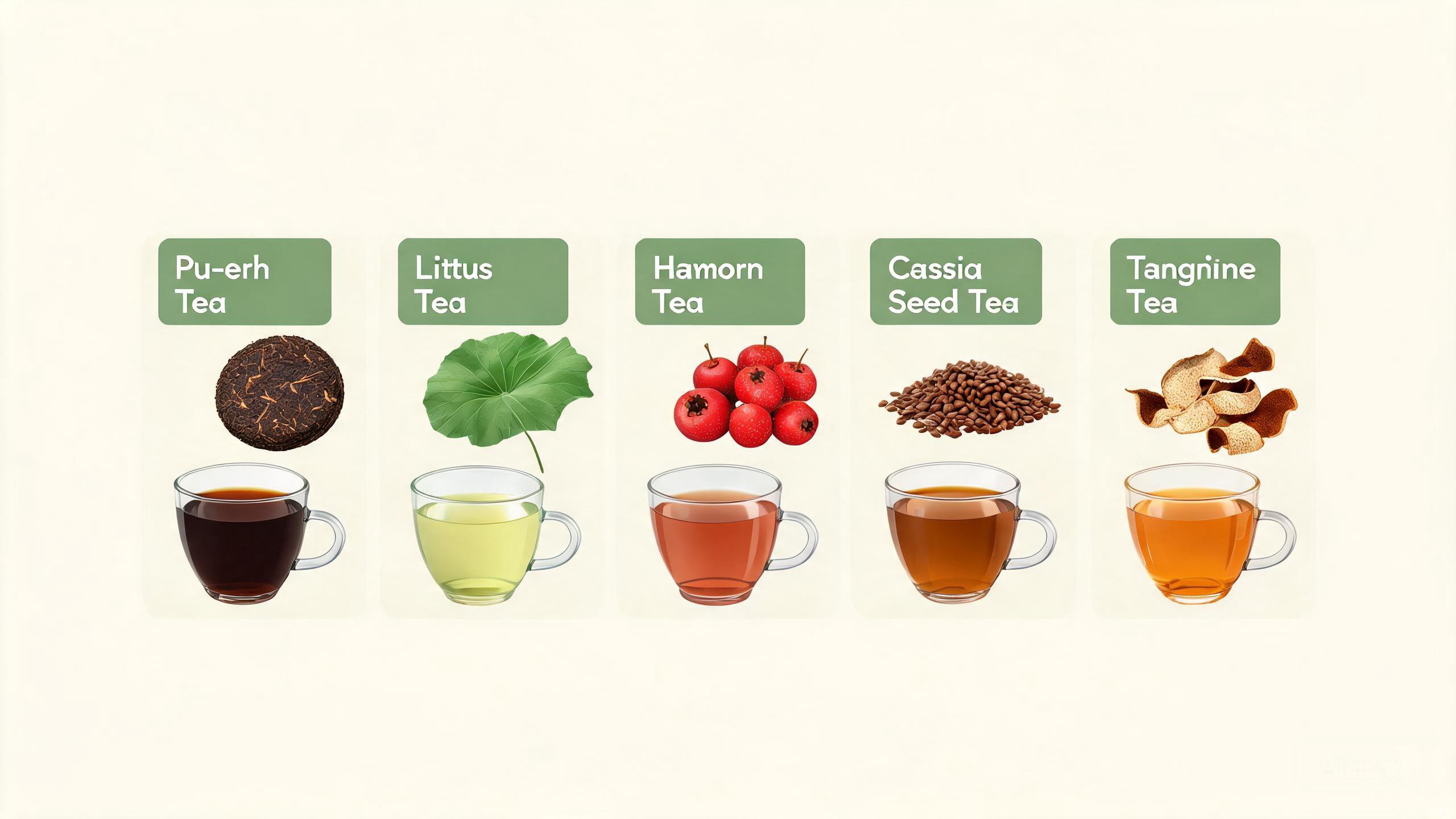
- Hawthorn and lotus leaf tea is the most widely used TCM tea for fat digestion and lipid metabolism.
- Tangerine peel and pu'er tea regulates qi, strengthens the Spleen, and aids the digestion of rich, fatty foods.
- Coix seed and adzuki bean tea drains dampness and reduces water retention — ideal for puffiness and edema.
- Rose tea addresses the emotional root of overeating by soothing Liver qi and reducing stress-driven cravings.
- These teas support metabolism — they are not magic weight-loss solutions and work best with balanced eating and movement.
This article is for wellness education only and is not medical advice. The teas described here are traditional dietary practices and are not intended to diagnose, treat, cure, or prevent any disease, including obesity or metabolic disorders. Herbal teas may interact with medications, including blood thinners, diabetes medications, and hormone therapies. If you are pregnant, nursing, take prescription medication, or have a medical condition, consult your healthcare provider before using these teas. Sustainable weight management requires a balanced diet and regular physical activity.
The weight loss industry is saturated with promises of quick fixes and miracle brews. Traditional Chinese Medicine takes a fundamentally different approach. Rather than focusing on calorie counting or fat burning, TCM asks why the body is holding onto excess weight. Is the Spleen too weak to transform and transport fluids, leading to dampness accumulation? Is food stagnating in the stomach because of overeating or poor digestion? Is qi and blood stagnation creating metabolic sluggishness? Is Liver qi stagnation driving stress-related eating?
Each of these patterns calls for a different tea. By matching the tea to the underlying pattern, TCM aims to restore the body's natural metabolic balance — not to force weight loss through stimulants or appetite suppressants. If you are new to TCM concepts, our TCM for weight loss guide and yin and yang guide provide useful background.
How TCM Views Weight Gain
In TCM theory, excess weight is not simply "too much fat." It is understood through four primary patterns of imbalance:
- Spleen Deficiency with Dampness (Pi Xu Shi Sheng): The Spleen is responsible for transforming food into energy and transporting fluids. When it is weak — from poor diet, overthinking, or irregular eating — fluids accumulate as dampness, manifesting as bloating, water retention, fatigue after eating, and a feeling of heaviness. This is the most common pattern in TCM weight management.
- Food Stagnation (Shi Ji): When the stomach cannot properly process what is eaten — due to overeating, eating too quickly, or consuming rich, heavy foods — food stagnates in the digestive tract. Symptoms include bloating, acid reflux, bad breath, and a feeling of fullness that lingers long after meals.
- Blood Stasis (Xue Yu): Chronic qi stagnation can lead to blood stasis — a pattern where circulation is sluggish and metabolic waste accumulates. This is often seen in long-term, stubborn weight gain, particularly around the abdomen, and may be associated with dark spots, dull complexion, and varicose veins.
- Liver Qi Stagnation (Gan Qi Yu Jie): Stress, frustration, and suppressed emotions cause Liver qi to stagnate. This disrupts the Spleen's function (the Liver "overacts" on the Spleen in the five-element cycle) and drives emotional eating — reaching for food as a way to self-soothe. This pattern is common in people whose eating is closely tied to their emotional state.
The five teas below each address one or more of these patterns. Choosing the right one for your constitution is the key to meaningful, sustainable support.
1. Hawthorn and Lotus Leaf Tea (Shan Zha He Ye Cha)
Best for: Fat digestion, lipid metabolism, post-meal fullness, food stagnation from rich foods
TCM Properties: Hawthorn (shan zha) is sour, sweet, and slightly warm. It enters the Spleen, Stomach, and Liver meridians. It is the most important herb in TCM for digesting fats and meat — the classical indication is "food stagnation from meat and greasy foods." Lotus leaf (he ye) is bitter, astringent, and neutral. It enters the Heart, Liver, and Spleen meridians and is specifically valued for "clearing summerheat and raising the clear yang" — in practical terms, it helps the body metabolize and eliminate excess fat and fluids.
Effects: Together, hawthorn and lotus leaf form the most classic TCM weight management tea. Hawthorn breaks down dietary fats, improves lipid metabolism, and relieves the bloating and fullness that follow heavy meals. Lotus leaf supports this by promoting fluid metabolism and preventing dampness accumulation. Modern research has identified compounds in both ingredients that may influence lipid metabolism and fat absorption.
Brewing Method: Combine 10 to 15 grams of dried hawthorn slices with 3 to 5 grams of dried lotus leaf. Rinse briefly, then steep in 12 oz of boiling water for 10 minutes, or simmer gently for 5 minutes for a stronger brew. The tea is tart, slightly astringent, and refreshing. A small amount of rock sugar can be added if the tartness is too intense, though unsweetened is preferred for weight management purposes.
When to Drink: 20 to 30 minutes after meals, particularly after heavy or fatty meals. Drink 1 to 2 cups daily. For more on hawthorn tea, see our hawthorn tea guide.
Precautions: Hawthorn is quite sour and may irritate the stomach lining with prolonged use. Do not drink on an empty stomach. Limit continuous use to 2 to 3 weeks, then take a break. Avoid during pregnancy, as hawthorn can stimulate uterine contractions. If you take blood thinners or heart medications, consult your doctor — hawthorn may interact with these drugs.
Hawthorn pairs well with a small amount of dried tangerine peel (chen pi). The tangerine peel warms the Spleen and moves qi, while the hawthorn digests fats — a combination that is particularly effective after a rich restaurant meal.
2. Tangerine Peel and Pu'er Tea (Chen Pi Pu'er Cha)
Best for: Digestive sluggishness, bloating, gas, qi stagnation in the middle burner, fat metabolism
TCM Properties: Aged tangerine peel (chen pi) is pungent, bitter, and warm. It enters the Spleen and Lung meridians and is the premier herb for "regulating qi and strengthening the Spleen." It moves stagnant qi in the digestive tract, reduces bloating and nausea, and dries dampness. Pu'er tea (a fermented dark tea from Yunnan) is warm in nature and enters the Stomach and Liver meridians. It is renowned in TCM for "digesting fat and warming the middle" — it aids the breakdown of dietary fats and supports the Spleen's transformative function.
Effects: This is the classic "after-meal tea" in Chinese culture, particularly in southern China where rich Cantonese cuisine is common. The tangerine peel moves qi and relieves the feeling of fullness, while the pu'er tea supports fat digestion and warms the digestive system. The fermented nature of pu'er means it is gentler on the stomach than green tea and is well tolerated even by those with sensitive digestion. Studies on pu'er tea have shown effects on lipid metabolism and gut microbiome composition.
Brewing Method: Use 3 to 5 grams of pu'er tea (a small piece of a cake or loose leaves) with one small strip of aged tangerine peel (about 2 grams). Rinse both briefly with hot water to remove dust, then steep in 10 oz of water just off the boil (95°C) for 3 to 5 minutes. Pu'er can be steeped multiple times — the second and third steeps are often considered the best. The tea is dark, earthy, and slightly citrus-scented from the tangerine peel. See our tangerine peel tea guide for more details.
When to Drink: 20 to 30 minutes after meals, especially after heavy or greasy food. Can be drunk daily. Afternoon is ideal, as the warmth aids post-lunch digestion. Avoid in the evening, as pu'er tea contains some caffeine (though less than green or black tea).
Precautions: Pu'er tea contains caffeine — if you are caffeine-sensitive, limit to morning or early afternoon. The tangerine peel is warming and drying, so it may not be suitable for those with yin deficiency (dry mouth, dry skin, night sweats). If you have stomach ulcers, use aged (at least 3 years old) tangerine peel, which is gentler.
3. Coix Seed and Adzuki Bean Tea (Yi Yi Ren Hong Dou Cha)
Best for: Water retention, edema, puffiness, heaviness, dampness accumulation
TCM Properties: Coix seed (yi yi ren), also known as Job's tears, is sweet, bland, and slightly cool. It enters the Spleen, Lung, and Kidney meridians. It is the most important herb in TCM for "draining dampness through urination" — it promotes fluid metabolism, reduces edema, and strengthens the Spleen. Adzuki bean (hong dou) is sweet, sour, and neutral. It enters the Heart and Small Intestine meridians and is traditionally used to "reduce water swelling" and promote urination.
Effects: This combination is the classic TCM remedy for the "damp" type of weight gain — the person who feels puffy, heavy, and bloated, whose weight fluctuates with fluid retention, and who carries excess weight that feels soft and water-logged rather than firm. The tea works by promoting the body's natural elimination of excess fluids through urination, while simultaneously strengthening the Spleen so that fluids are properly metabolized in the first place. It is particularly effective for lower-body water retention and the type of puffiness that is worse in humid weather.
Brewing Method: Dry-roast 15 grams of coix seed in a pan over low heat until lightly golden and fragrant (this enhances its dampness-draining properties). Combine with 15 grams of adzuki beans (also dry-roasted briefly). Simmer in 16 oz of water for 20 to 30 minutes until the liquid is slightly cloudy and the beans are softened. Strain and drink. The tea is mild, slightly nutty, and pleasant. For a stronger effect, the cooked beans can be eaten as well.
When to Drink: Morning or early afternoon, 1 cup daily. This tea is diuretic, so avoid drinking it in the evening to prevent nighttime urination. It can be drunk daily for 2 to 3 weeks, then take a break.
Precautions: Because this tea promotes urination, stay well hydrated with plain water throughout the day. Coix seed is slightly cooling — if you tend to feel cold, add a few slices of ginger to balance the temperature. Avoid during pregnancy, as coix seed in large amounts may stimulate uterine contractions. If you have kidney disease or are taking diuretic medications, consult your doctor before using.
4. Cassia Seed and Hawthorn Tea (Jue Ming Zi Shan Zha Cha)
Best for: Constipation, liver heat, high lipids, eye strain from screens, the "internal heat" type of weight gain
TCM Properties: Cassia seed (jue ming zi) is sweet, bitter, and slightly cold. It enters the Liver and Large Intestine meridians. Its primary functions are to "clear liver heat and brighten the eyes" and to "moisten the intestines and promote bowel movements." Hawthorn, as described above, digests fats and moves blood. Together, they form a tea that addresses weight gain associated with internal heat, constipation, and Liver fire — a pattern common in people who are stressed, eat spicy or greasy foods, and have irregular bowel habits.
Effects: Cassia seed addresses two important factors in weight management: constipation and liver heat. Chronic constipation contributes to weight gain by allowing metabolic waste to accumulate in the intestines, while liver heat — often from stress and poor diet — can disrupt the Liver's role in regulating the smooth flow of qi and emotions (including the drive to eat). The seeds contain compounds that have been studied for their effects on lipid metabolism and blood sugar regulation. Combined with hawthorn, this tea supports both elimination and fat digestion.
Brewing Method: Lightly roast 10 grams of cassia seeds in a dry pan until fragrant (this enhances their laxative effect and reduces bitterness). Combine with 10 grams of dried hawthorn slices. Steep in 12 oz of boiling water for 10 minutes, or simmer for 5 minutes. The tea is amber-colored, slightly nutty, and mildly bitter-sour.
When to Drink: Morning, on an empty stomach, for the bowel-regulating effect. Or 30 minutes after lunch to aid digestion. Drink 1 cup daily for up to 2 weeks, then take a break.
Precautions: Cassia seed has a laxative effect — if you have loose stools or diarrhea, do not use this tea. It is also slightly cold in nature, so those with a cold, weak digestion (cold hands and feet, preference for warm drinks, bloating after cold foods) should use it cautiously or add ginger. Long-term use is not recommended. Avoid during pregnancy.
5. Rose Tea (Mei Gui Hua Cha)
Best for: Emotional eating, stress-related weight gain, mood swings, PMS-related cravings, the "Liver qi stagnation" type of weight gain
TCM Properties: Dried rose buds (mei gui hua) are sweet, slightly bitter, and warm. They enter the Liver and Spleen meridians. Rose is the classic TCM herb for "moving stagnant Liver qi and harmonizing blood" — in everyday terms, it helps release emotional tension, frustration, and the physical constriction that accompanies stress. For a complete guide, see our rose tea guide.
Effects: Many people struggle with weight not because of poor digestion or water retention, but because of emotional eating — reaching for food in response to stress, frustration, boredom, or loneliness. In TCM, this pattern is understood as Liver qi stagnation: when emotions are suppressed or stress is chronic, the Liver's function of ensuring the smooth flow of qi is impaired. This disrupts the Spleen's digestive function and creates an emotional drive to eat, particularly sweet and rich foods. Rose tea addresses this root cause by gently moving the stagnant qi, soothing the emotional tension, and restoring the Liver-Spleen harmony.
Brewing Method: Steep 5 to 8 grams of dried rose buds in 8 oz of hot water (85°C) for 5 to 7 minutes. Cover while steeping to preserve the volatile oils. The tea is fragrant, delicately sweet, and deeply comforting. Do not use boiling water, as it can make the tea bitter and destroy the aromatic compounds. Rose pairs beautifully with a small amount of honey or a single dried red date.
When to Drink: Mid-morning or mid-afternoon — the times when stress and cravings tend to peak. Drink whenever emotional tension builds and the urge to snack arises. The act of brewing and sipping the tea is itself a mindful pause that can break the emotional eating cycle. Rose tea can be drunk daily.
Precautions: Rose tea is gentle and safe for most people. It is warming, so those with significant internal heat (red face, irritability, constipation) may prefer chrysanthemum tea instead. Avoid during heavy menstrual bleeding, as rose moves blood. See our herbal tea for anxiety guide for more on stress-related tea selection.
Choosing the Right Tea for Your Pattern
| If You Experience... | TCM Pattern | Best Tea | When to Drink |
|---|---|---|---|
| Fullness after heavy meals, high-fat diet | Food Stagnation | Hawthorn + Lotus Leaf | After meals |
| Bloating, gas, sluggish digestion | Qi Stagnation in Middle Burner | Tangerine Peel + Pu'er | After lunch |
| Puffiness, water retention, heaviness | Spleen Deficiency + Dampness | Coix Seed + Adzuki Bean | Morning |
| Constipation, internal heat, stress | Liver Heat + Intestinal Dryness | Cassia Seed + Hawthorn | Morning, empty stomach |
| Emotional eating, stress cravings | Liver Qi Stagnation | Rose Tea | Mid-morning / afternoon |
Brewing and Drinking Guidelines
- Use filtered water. The quality of water significantly affects the taste and therapeutic value of herbal teas.
- Cover while steeping. A lid traps volatile oils — the active aromatic compounds in flowers and peels — that would otherwise escape as steam.
- Drink warm, not cold. In TCM, cold beverages weaken the Spleen's digestive fire. Warm teas support digestion and metabolism.
- Avoid sugar. Adding sugar to weight management teas is counterproductive. If you need sweetness, use a single dried red date or a small amount of stevia.
- Rotate, don't accumulate. Choose one or two teas that match your pattern and use them for 2 to 3 weeks. Then reassess and adjust. Drinking too many different teas at once can overwhelm the digestive system.
- Be patient. TCM teas work gradually by supporting the body's own metabolic processes. Expect to notice changes over weeks, not days.
Combining Tea with Other TCM Weight Management Practices
Tea is one piece of the TCM weight management puzzle. For best results, combine it with these complementary practices:
- Movement: Tai chi and qigong move stagnant qi, improve circulation, and reduce stress — all of which support healthy metabolism. Even 15 minutes daily makes a difference.
- Food therapy: Emphasize warm, cooked foods that are easy for the Spleen to transform. Avoid excessive raw foods, cold drinks, and dairy, which generate dampness. See our qi-boosting foods guide and dampness-removing foods guide.
- Reduce sugar: Excess sweet consumption weakens the Spleen and generates dampness. Our TCM sugar reduction guide offers natural approaches to managing sweet cravings.
- Stress management: Since stress drives Liver qi stagnation (a root cause of both emotional eating and digestive disruption), practices like meditation and breathing techniques are essential complements to any weight management tea.
Frequently Asked Questions
Can I drink more than one of these teas at the same time?
It is generally fine to drink different teas at different times of day — for example, coix seed and adzuki bean tea in the morning for water retention, and tangerine peel and pu'er after lunch for digestion. However, avoid combining more than two teas at once, and do not mix them in the same brew unless you are following a specific recipe. Each tea has its own therapeutic direction, and mixing too many can create conflicting effects. If in doubt, choose the tea that addresses your most prominent pattern and use it consistently for 2 to 3 weeks before switching.
Will these teas help me lose weight without changing my diet?
No. TCM weight loss teas are supportive — they aid digestion, reduce water retention, regulate appetite, and address the emotional patterns behind overeating. But they cannot compensate for a poor diet. In TCM theory, the Spleen's ability to transform food depends on the quality of the food itself. If you consistently eat heavy, greasy, or sugary foods, no tea will fully offset the burden. The most effective approach combines the right tea with warm, balanced meals, regular movement, and stress management. Think of the tea as an amplifier of your other efforts, not a replacement for them.
Are these teas safe during pregnancy?
Several of the teas in this guide should be avoided during pregnancy. Hawthorn can stimulate uterine contractions and should be strictly avoided. Cassia seed has laxative effects and should be avoided. Coix seed in large amounts may also stimulate the uterus. Rose tea moves blood and should be used cautiously. Pu'er tea with tangerine peel is generally safe in small amounts but contains caffeine. If you are pregnant or trying to conceive, consult your healthcare provider before using any herbal teas. Our herbal tea safety guide provides more detailed information.
How long should I drink these teas before seeing results?
This depends on your individual pattern and how consistently you practice. For water retention (coix seed and adzuki bean tea), you may notice reduced puffiness within 3 to 5 days. For digestive improvement (hawthorn, tangerine peel, pu'er), you may notice less bloating and fullness within 1 to 2 weeks. For emotional eating patterns (rose tea), changes in cravings and mood typically emerge over 2 to 3 weeks. Remember that TCM aims to restore balance, not to produce rapid weight loss. Sustainable changes happen gradually. If you do not notice any improvement after 3 to 4 weeks of consistent use, you may need a different tea for your pattern or should consult a qualified TCM practitioner for a personalized assessment.
The Bottom Line
TCM weight loss teas offer a thoughtful, pattern-based alternative to the stimulant-laden "diet teas" that dominate the market. Rather than forcing the body to shed pounds through caffeine and laxatives, these traditional brews work by supporting digestion, draining dampness, moving stagnant qi, and addressing the emotional roots of overeating. Choose the tea that matches your pattern — hawthorn and lotus leaf for fat digestion, tangerine peel and pu'er for sluggish digestion, coix seed and adzuki bean for water retention, cassia seed for constipation and heat, or rose for emotional eating. Brew it mindfully, drink it consistently, and pair it with warm, balanced meals and gentle movement. Over weeks and months, you may find that the body responds to this gentle, supportive approach far better than it ever did to harsher methods — because you are not just losing weight, you are restoring balance.
This article is for educational and informational purposes only and is not a substitute for professional medical advice, diagnosis, or treatment. The teas described here are traditional dietary practices and are not intended to diagnose, treat, cure, or prevent any disease, including obesity, metabolic syndrome, or diabetes. Herbal teas may interact with prescription medications. Always consult a qualified healthcare provider before beginning any herbal regimen, especially if you are pregnant, nursing, taking medication, or have a medical condition. Sustainable weight management requires a balanced diet and regular physical activity. Read our full disclaimer →