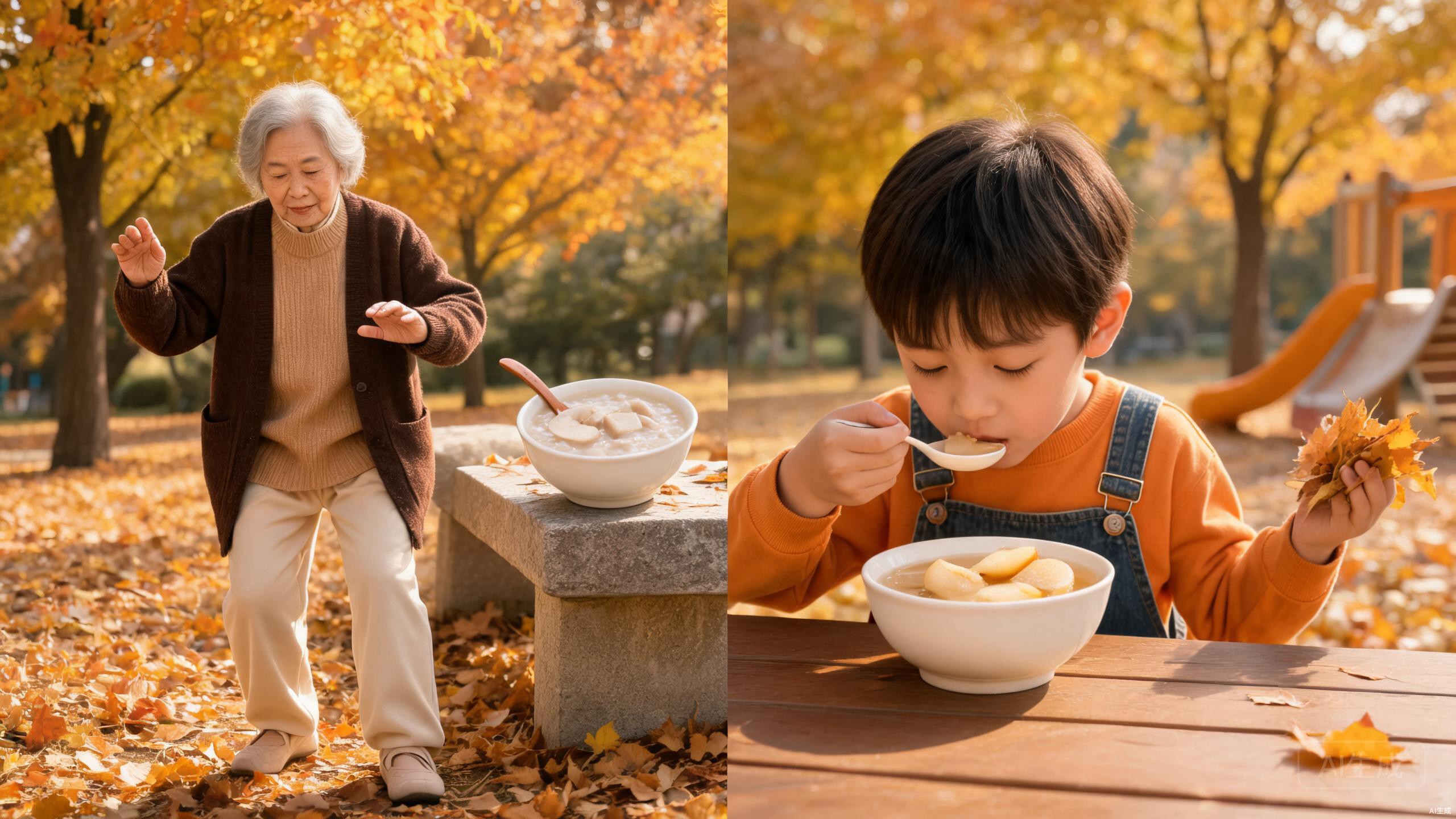
Key Takeaways
- In TCM, the elderly have declining kidney essence and weakened digestion, making them sensitive to cold and dryness — the practice of "autumn freeze" (qiu dong) is not suitable for seniors.
- Children have a "pure yang" body but immature organ systems, making them vulnerable to autumn dryness affecting the respiratory system.
- Seniors benefit from easy-to-digest, spleen-strengthening foods like yam porridge and lotus seed porridge — not heavy meats for "tie qiu biao."
- Children benefit from pear soup, lily bulb porridge, and yam porridge — but never give honey to infants under 12 months due to botulism risk.
- Gentle exercise (tai chi, ba duan jin for seniors; outdoor play for children) and proper layered dressing are essential autumn practices.
- Flu and pneumonia vaccines are recommended for adults 60+ alongside TCM wellness practices — the two approaches are complementary.
- These are traditional wellness philosophies, not medical treatments. Always consult your healthcare provider.
This article is for educational purposes only and is not medical advice. The foods, teas, and practices described here are traditional wellness practices rooted in Chinese culture. They are not a substitute for professional medical care. Children and seniors are particularly vulnerable populations — what works for a healthy adult may not be appropriate for them. Never stop, adjust, or replace prescribed medication based on information in this article. If you or a family member has any health condition, work closely with a healthcare provider. Some foods and herbs may interact with medications or may not be appropriate for young children, the elderly, or those with chronic conditions. Always inform your doctor about everything you or your family consume. These statements have not been evaluated by the FDA and are not intended to diagnose, treat, cure, or prevent any disease.
When the autumn wind begins to blow and the air turns dry, families across East Asia turn to the wisdom of Traditional Chinese Medicine (TCM) to protect their most vulnerable members. In every household, two groups need the most careful attention during the seasonal transition: the elderly (老人, lao ren) and children (儿童, er tong). Their bodies — one winding down, one still developing — respond to autumn's challenges differently than healthy adults in their prime.
The National Administration of Traditional Chinese Medicine in China holds annual autumn wellness press conferences specifically to address how different populations should adapt to the season. The guidance that emerges from these expert panels is remarkably consistent year after year: protect the elderly from cold, protect children from dryness, feed both groups foods that are gentle and easy to digest, and never apply a one-size-fits-all approach.
If you are new to TCM concepts, our introduction to Traditional Chinese Medicine and guides on the balance of yin and yang and the five elements provide helpful background before diving in.
Why Children and Seniors Need Special Autumn Care
In TCM theory, health exists on a spectrum of vitality. The Huangdi Neijing (Yellow Emperor's Inner Canon) describes human life as following the rhythm of natural cycles — rising in youth, peaking in adulthood, and gradually declining in old age. Children and seniors occupy the two ends of this spectrum, and both are more sensitive to seasonal change than healthy adults in the middle.
For the elderly, the body's foundational energy — kidney essence (肾精, shen jing) — is naturally declining. The spleen and stomach, which govern digestion in TCM, are weakened. This means seniors are less able to adapt to sudden temperature drops, less efficient at digesting heavy foods, and more susceptible to the drying effects of autumn air. Their bodies simply have less reserve to draw upon.
For children, the situation is the mirror image. The classical TCM text describes children as having a "pure yang body" (纯阳之体, chun yang zhi ti) — vibrant, active, and full of growth energy. But their organ systems are immature and not fully developed. Their immune systems and temperature regulation are still learning to respond to the environment. They are particularly vulnerable to autumn dryness affecting the respiratory system because their lung function is not yet robust.
Both groups share one critical characteristic: they cannot tell you reliably what is wrong. A senior may downplay symptoms out of stoicism; a young child may lack the words to describe discomfort. This makes preventive care — the heart of TCM's approach — especially important for both. To understand the organ systems involved, see our guide on Zang-Fu organs.
Autumn Wellness for Seniors
The TCM Theory: Declining Kidney Essence and Weakened Spleen
In TCM, aging is understood as a natural process of declining kidney essence. The kidneys, considered the "root of life," store the foundational energy we inherit from our parents and use throughout our lives. As this essence diminishes with age, the body becomes less resilient — slower to recover from illness, more sensitive to cold, and less able to regulate internal temperature.
At the same time, the spleen and stomach — the organs responsible for transforming food into qi and blood — become weaker in the elderly. This means that even nutritious foods may not be fully assimilated if they are too difficult to digest. The classical TCM advice for seniors is to prioritize easy-to-digest, nourishing foods over rich or complex ones.
Autumn introduces two specific challenges for seniors. First, the temperature drops — sometimes dramatically — which constricts blood vessels and stresses the cardiovascular system. Second, autumn dryness depletes body fluids, which can aggravate existing conditions like dry cough, constipation, and dry skin. The combination of cold and dryness is particularly challenging for elderly bodies with less internal moisture and warmth to spare.
Key Risks for Seniors in Autumn
TCM experts from the National Administration of Traditional Chinese Medicine emphasize four major risk areas for elderly people during autumn:
- Cardiovascular disease. Cold temperatures cause blood vessels to constrict, which can raise blood pressure and increase the strain on the heart. Autumn mornings, when temperatures are lowest, are a particularly high-risk time. Seniors with a history of hypertension, heart disease, or stroke should take extra care.
- Respiratory infections. The lungs are the organ most directly associated with autumn in TCM's five-element system. Autumn dryness irritates the respiratory tract, making it more vulnerable to colds, flu, and pneumonia. Seniors with chronic bronchitis, emphysema, or asthma are especially at risk.
- Joint pain. Cold and damp can settle into the joints, aggravating arthritis and causing stiffness. In TCM, this is described as "cold-damp obstructing the channels." The transition from summer warmth to autumn cool is a common trigger for joint flare-ups.
- Digestive issues. The weakened spleen and stomach of the elderly are further stressed by cold weather. Eating cold or raw foods, or eating too much at once, can lead to bloating, indigestion, or diarrhea. Autumn is also a common time for gastrointestinal illnesses.
The "Autumn Freeze" (秋冻, Qiu Dong) Is NOT for Seniors
One of the most commonly misunderstood TCM autumn practices is "qiu dong" — the "autumn freeze." This is the tradition of deliberately exposing the body to cooler autumn temperatures (rather than bundling up at the first sign of cold) in order to build cold tolerance for winter. For healthy adults in their prime, this practice has some traditional merit.
However, TCM experts are emphatic: the autumn freeze is NOT suitable for elderly people. Their declining kidney yang means they have less internal warmth to begin with, and their bodies are less able to recover from the stress of cold exposure. Forcing an elderly person to "tough out" the cold can trigger cardiovascular events, respiratory infections, or joint problems. The same caution applies to people with chronic illness, regardless of age.
The correct approach for seniors is to dress warmly and in layers from the first sign of autumn coolness, paying particular attention to four key areas (see the dressing section below).
Foods Traditionally Recommended for Seniors in Autumn
The guiding principle for senior autumn nutrition in TCM is warm, soft, and easy to digest. The following foods and preparations are traditional autumn staples:
- Chinese yam porridge (山药粥, shan yao zhou): Perhaps the single most recommended food for elderly autumn wellness. Chinese yam is neutral, sweet, and traditionally used to tonify the spleen, lung, and kidney simultaneously. Made into a soft porridge with rice, it is extremely easy to digest and provides gentle, sustained nourishment. A bowl of yam porridge for breakfast is a classic autumn habit.
- Lotus seed porridge (莲子粥, lian zi zhou): Lotus seeds are traditionally used to tonify the spleen, calm the mind, and support the kidneys. Combined with rice and perhaps a few red dates, lotus seed porridge is a nourishing, easily digestible autumn meal that also supports sleep.
- Cooked pear soup (炖梨汤, dun li tang): Pears are the quintessential autumn fruit in TCM, traditionally used to moisten the lungs and clear heat. However, raw pears are cooling and can be hard on a weak digestive system. For seniors, pears should be cooked — simmered with rock sugar and perhaps a few goji berries — to soften their nature and make them easier to digest. See our TCM guide to cough relief for a pear soup recipe.
- Avoid: Raw and cold foods (salads, ice water, chilled fruit), overly greasy or fried foods, and foods that are difficult to digest (such as large pieces of tough meat or very sticky rice cakes). These burden the weakened spleen and stomach.
For more seasonal eating ideas, see our autumn food therapy guide and our collection of everyday TCM kitchen remedies.
Tie Qiu Biao Caution for Seniors
The traditional practice of "tie qiu biao" (贴秋膘) — "applying the autumn fat" — refers to eating nourishing, often rich foods in early autumn to rebuild strength after summer's depleting heat. Historically, this meant eating pork, beef, and other heavy meats. TCM experts offer an important caution for seniors: do not blindly eat heavy meats for tie qiu biao.
The reasoning is straightforward. After summer, the elderly spleen and stomach are often at their weakest. Heavy, greasy meats are the most difficult foods to digest. Eating them in large quantities can cause digestive stagnation, bloating, and even illness — the opposite of nourishment. Instead, TCM recommends that seniors start with spleen-strengthening foods first — yam porridge, lotus seed porridge, mild vegetable soups — for one to two weeks. Once digestion is strong and stable, then gradually add small amounts of easily digestible protein such as fish, chicken, or a small amount of lean beef. The process should be gradual and mindful, never sudden.
Exercise for Seniors: Gentle, Consistent, Safe
Autumn exercise for seniors should be gentle, consistent, and safe. The goal is to keep qi and blood circulating without straining the body. Recommended practices include:
- Tai chi (太极): The quintessential senior exercise in Chinese culture. Slow, flowing movements that improve balance, circulation, and joint mobility. Even 15 to 20 minutes daily provides significant benefit. Tai chi is particularly valuable for preventing falls — a major risk for the elderly.
- Ba duan jin (八段锦, eight pieces of brocade): A traditional qigong sequence of eight gentle stretching movements. Ba duan jin is traditionally used to support the lungs, digestion, and overall vitality. It can be practiced by people of all fitness levels.
- Gentle walking (散步): A slow, relaxed walk at roughly 60 to 80 steps per minute. This is not power walking — it is a meditative, gentle pace that encourages circulation without strain. Walking outdoors in fresh autumn air (when it is not too cold or windy) is ideal.
Important safety precautions for senior autumn exercise:
- Avoid bending the head below the heart if you have high blood pressure or cardiovascular disease. This includes certain yoga poses or bending exercises. Sudden changes in head position relative to the heart can cause dizziness or worse.
- Avoid wet or slippery surfaces. Autumn dew, rain, and fallen leaves can create hazardous walking conditions. Choose dry, well-maintained paths.
- Avoid exercising in cold wind. In TCM, cold wind is considered a pathogen that enters through the back of the neck. Exercise indoors on cold, windy days.
- Avoid early morning exercise when temperatures are lowest. Wait until the sun has warmed the air, typically mid-morning.
For more seasonal movement guidance, see our autumn exercise guide.
Dressing for Autumn: Four Key Areas to Keep Warm
TCM offers specific guidance on how seniors should dress in autumn. The principle is to keep four key areas warm at all times:
- Chest and upper back (背): The upper back is where TCM says "wind-cold" enters the body. A thin vest or undershirt, even when the outer layers are light, protects this vulnerable area. The classic Chinese advice is "do not let the back feel cold."
- Abdomen (腹): The abdomen houses the spleen and stomach. Keeping it warm supports digestion and prevents the cold from impairing digestive function. Avoid clothing that exposes the midriff.
- Lower back and kidneys (腰): The lower back is the home of the kidneys in TCM. Cold here directly stresses kidney yang. A longer top or a light layer around the waist is traditional.
- Feet (足): The feet are considered the "second heart" in TCM, with many important meridians passing through them. Cold feet can affect the entire body. Wear warm socks and closed shoes from early autumn. A warm foot soak before bed is an excellent practice — see our ginger foot soak guide.
The overall approach is layering: multiple thin layers that can be added or removed as temperatures change throughout the day. Autumn mornings and evenings are cold, but midday can still be warm. The ability to adjust is key.
Vaccination Reminder for Seniors
While TCM offers many wellness practices for autumn, TCM experts from the National Administration of Traditional Chinese Medicine are clear that modern preventive medicine plays an essential role. For adults aged 60 and above, the following vaccinations are recommended in consultation with a healthcare provider:
- Annual influenza (flu) vaccine. Autumn is the beginning of flu season. The flu can be particularly dangerous for seniors, potentially leading to pneumonia or worsening of chronic conditions.
- Pneumococcal (pneumonia) vaccine. Pneumonia is a leading cause of hospitalization and mortality among the elderly. Vaccination provides important protection.
TCM wellness practices and vaccination are complementary, not contradictory. The TCM approach to autumn — nourishing foods, gentle exercise, proper dress, and emotional balance — supports the body's overall resilience. Vaccination provides specific protection against infectious diseases. Together, they form a comprehensive approach to senior autumn health. Always consult your doctor about which vaccines are appropriate for your individual situation.
Autumn Wellness for Children
The TCM Theory: The "Pure Yang" Body and Immature Organs
Classical TCM describes children as having a "pure yang body" (纯阳之体, chun yang zhi ti). This does not mean that children are overheated. It means that their life energy is vibrant, active, and oriented toward growth — like a young shoot bursting upward. This yang energy fuels their rapid development, their boundless enthusiasm, and their quick recovery from minor illnesses.
However, this yang energy exists alongside immature organ systems. The TCM phrase "zang fu jiao nen" (脏腑娇嫩) — "the organs are delicate and tender" — captures this reality. A child's lungs, spleen, and kidneys are still developing. Their immune system is still learning to recognize and respond to pathogens. Their temperature regulation is not yet efficient — they can overheat quickly in too many layers and chill quickly in too few.
This combination — vibrant yang energy with delicate organs — means that children are both resilient and vulnerable. They bounce back quickly from minor setbacks, but they are also more susceptible to environmental challenges like autumn dryness, which targets the respiratory system. In TCM, the lungs are called the "tender organ" (娇脏, jiao zang) because they are the most external of the internal organs, directly connected to the outside air through the nose and throat. Children's lungs, being immature, are especially sensitive.
Key Risks for Children in Autumn
The following are the most common autumn health challenges for children, as identified by TCM experts:
- Coughs. Autumn dryness irritates the delicate lining of a child's airways, leading to dry, persistent coughs. This is the single most common childhood complaint in autumn. See our TCM guide to cough relief for traditional supportive practices.
- Colds and flu. As temperatures drop and children return to school, respiratory infections spread easily. A child's immature immune system may be slower to mount an effective defense.
- Pneumonia. What begins as a simple cold can, in young children, progress to pneumonia more quickly than in adults. Parents should be alert to warning signs (see the section on when to see a doctor below).
- Diarrhea and digestive upset. The spleen (the TCM organ of digestion) is one of the most immature organ systems in children. Cold weather, raw foods, or overeating can easily upset it, leading to diarrhea, abdominal pain, or loss of appetite. See our TCM guide to digestion for more.
- Dry skin. Children's skin is thinner and more delicate than adults'. Autumn dryness can cause flaking, itching, and eczema flare-ups.
Foods Traditionally Recommended for Children in Autumn
The guiding principle for children's autumn nutrition in TCM is soft, moistening, and easy to digest, with a focus on foods that support the lungs:
- Pear soup with rock sugar (冰糖雪梨, bing tang xue li): This is the most beloved autumn remedy for children in Chinese households. Asian pears are traditionally used to moisten the lungs, clear heat, and soothe dry coughs. Simmered with rock sugar until soft, the pear becomes a sweet, soothing treat that children willingly eat. The warm syrup is traditionally given to soothe a dry, tickling cough.
- Lily bulb porridge (百合粥, bai he zhou): Lily bulb is traditionally used to moisten the lungs and calm the mind. A small amount of cooked lily bulb added to rice porridge makes a gentle, nourishing autumn breakfast for children.
- Chinese yam porridge (山药粥, shan yao zhou): As with seniors, yam porridge is excellent for children. It tonifies the spleen (supporting digestion) and the lungs (supporting respiratory health) simultaneously — addressing the two most vulnerable systems in autumn.
- Honey water (for children OVER 1 year only): Honey is traditionally used in TCM to moisten the lungs and soothe the throat. A small spoon of honey in warm water can be a gentle autumn practice for children over 12 months of age.
- Reduce: Fried foods, spicy foods, and excessive sweets. These are traditionally said to generate "heat" and "phlegm," which can worsen respiratory symptoms.
- General guidance: All foods should be soft and easily digestible. Serve meals warm rather than cold. Ensure adequate hydration with warm water throughout the day.
Never give honey to infants under 12 months of age. Honey can contain spores of Clostridium botulinum, which can germinate in an infant's immature digestive system and produce a dangerous toxin causing infant botulism — a serious and potentially life-threatening condition. This is a well-established medical safety guideline from pediatric health authorities worldwide, not merely a TCM caution. The traditional practice of using honey for cough relief applies only to children over 1 year old. For infants, consult your pediatrician for appropriate alternatives.
The "Autumn Freeze" Is NOT for Children Either
Just as with seniors, the practice of "qiu dong" (autumn freeze) is not appropriate for children. Their immature temperature regulation means they cannot efficiently warm themselves when exposed to cold. Deliberately underdressing a child to "build tolerance" can lead to chills, colds, and respiratory infections.
Instead, children should be dressed appropriately for the weather, with particular attention to protecting two key areas:
- The abdomen (肚子): Children's abdominal muscles are thin, and the spleen and stomach beneath are delicate. A cold abdomen is one of the most common causes of childhood digestive upset and abdominal pain in autumn. Use a light undershirt tucked in, or a small "belly band" (肚兜, du dou) — a traditional Chinese garment that covers just the abdomen — to keep this area warm, especially at night.
- The upper back (后背): As with seniors, the upper back is where wind-cold is said to enter. Feel the back of the child's neck: if it is warm and dry, the child is dressed appropriately. If it is cold, add a layer. If it is sweaty, remove a layer — sweat in cold weather rapidly cools the body.
The general rule for children's autumn dressing is the same as for seniors: layers that can be added or removed. Children are active and may warm up quickly during play, then chill when they stop. Having an extra layer to put back on is essential.
Exercise and Outdoor Play for Children
Autumn is actually an excellent season for children to be outdoors — the air is fresh, the temperatures are comfortable (when not too cold), and the changing landscape is full of sensory interest. TCM encourages outdoor activity for children in autumn, with these guidelines:
- Play in fresh air. Outdoor play supports lung health and overall vitality. The movement of qi and blood from active play strengthens the immune system.
- Avoid cold wind. As with seniors, cold wind is considered a pathogen for children. On windy days, play in sheltered areas or indoors. Protect the neck with a light scarf.
- Ensure adequate hydration. Children may not notice thirst, especially when absorbed in play. Offer warm water regularly. Avoid ice-cold drinks, which stress the immature digestive system.
- Timing matters. Avoid early morning and late evening outdoor play when temperatures are lowest. Mid-morning to mid-afternoon, when the sun is out, is ideal.
Skin Care for Children
Children's skin is significantly thinner and more delicate than adults'. The stratum corneum (outermost skin layer) is less developed, meaning children lose moisture more easily and are more susceptible to irritation from autumn dryness. TCM-informed skin care for children in autumn includes:
- Use gentle, fragrance-free moisturizers after bathing, while the skin is still slightly damp, to lock in moisture.
- Avoid long, hot baths. Keep baths short and use lukewarm water. Hot water strips the skin's natural oils.
- Use mild, non-stripping cleansers. Avoid harsh soaps that disrupt the skin barrier. A gentle, pH-balanced wash is sufficient.
- For eczema-prone children: Autumn dryness is a common trigger for eczema flare-ups. Work with your pediatrician or dermatologist on a comprehensive management plan, which may include prescription treatments alongside gentle skincare.
When to See a Doctor
Children can deteriorate more quickly than adults. While many autumn coughs and colds are mild and self-limiting, the following signs require immediate medical attention:
- Persistent cough: A cough that lasts more than a few days, worsens, or is accompanied by wheezing or rattling sounds.
- Fever: Especially in infants under 3 months (any fever warrants immediate medical care), or in older children if the fever is high, persistent, or accompanied by other concerning symptoms.
- Breathing difficulty: Rapid breathing, labored breathing, flaring nostrils, chest retractions (the skin pulling in around the ribs during inhalation), or a bluish tint to the lips. These are emergency signs — seek care immediately.
- Severe diarrhea: Especially if accompanied by vomiting, signs of dehydration (decreased urination, dry mouth, lethargy), or blood in the stool.
- Lethargy or unusual behavior: If a child is unusually sleepy, irritable, or not responding normally.
When in doubt, always err on the side of seeking medical care for a child. For supporting calm and recovery, see our guide on TCM for calming the mind.
Comparison: Children's vs. Seniors' Autumn Priorities
| Aspect | Seniors' Autumn Focus | Children's Autumn Focus |
|---|---|---|
| TCM theory | Declining kidney essence; weakened spleen/stomach | Pure yang body; immature, delicate organs |
| Autumn freeze (qiu dong) | NOT suitable — dress warmly | NOT suitable — dress appropriately |
| Key risks | Cardiovascular, respiratory, joint pain, digestive | Coughs, colds, pneumonia, diarrhea, dry skin |
| Top foods | Yam porridge, lotus seed porridge, cooked pear soup | Pear soup, lily bulb porridge, yam porridge |
| Food caution | No raw/cold/greasy foods; gradual tie qiu biao | No honey under 12 months; reduce fried/spicy |
| Exercise | Tai chi, ba duan jin, gentle walking (60-80 steps/min) | Outdoor play in fresh air; avoid cold wind |
| Key warm areas | Chest/back, abdomen, lower back, feet | Abdomen (belly band), upper back |
| Vaccination | Flu and pneumonia vaccines for 60+ | Follow pediatrician's schedule |
| When to see doctor | Chest pain, severe cough, sudden weakness | Persistent cough, fever, breathing difficulty |
A Family Approach to Autumn
Autumn wellness is ultimately a family practice. The foods that nourish a grandmother — yam porridge, pear soup — are largely the same foods that nourish a grandchild. The principles — warmth, gentle nourishment, adequate rest, protection from cold and wind — apply across generations. What changes is the emphasis: for seniors, the focus is on gentle conservation and cardiovascular safety; for children, the focus is on respiratory protection and digestive care.
A simple autumn family routine might look like this:
- Morning: Warm yam or lotus seed porridge for breakfast. The elderly may eat first, while the house is quiet; children eat when they wake. Dress in layers before going outside.
- Midday: A nourishing warm lunch with seasonal vegetables and soup. For seniors, a small portion of easily digestible protein; for children, soft, moistening foods.
- Afternoon: Gentle exercise — tai chi for grandparents, outdoor play for children (in fresh, not cold or windy, air). A cup of pear soup or chrysanthemum tea for the family.
- Evening: A light, warm dinner. A ginger foot soak for seniors before bed. Children in bed early with warm, layered sleepwear protecting the abdomen.
For families who enjoy herbal teas, our herbal tea safety guide provides important guidance — some teas are not appropriate for young children or for seniors taking medication.
When to See a Healthcare Provider
The foods and practices in this article are traditional wellness habits, not medical treatments. Both children and seniors are vulnerable populations that require professional medical care. You should consult a healthcare provider if any of the following occur:
- For seniors: chest pain or tightness, severe shortness of breath, sudden weakness or numbness, persistent high blood pressure, uncontrolled cough, significant changes in digestion or appetite, or any sign of infection (fever, chills, confusion).
- For children: persistent cough, fever (especially in infants under 3 months), breathing difficulty, severe diarrhea or vomiting, signs of dehydration, lethargy, or any behavior that concerns you as a parent.
- For either group: any new or worsening symptoms, or symptoms that do not improve with rest and supportive care within a reasonable timeframe.
If you or a family member takes medication, consult your healthcare provider before adding any new herbs, teas, or supplements. Some traditional foods and herbs may interact with medications or may not be appropriate for certain conditions.
The Bottom Line
Traditional Chinese Medicine offers a gentle, time-tested approach to autumn wellness for the two most vulnerable members of every family. For seniors, the emphasis is on warmth, easy-to-digest nourishment, gentle movement, and protection from cold — the "autumn freeze" is not for them. For children, the emphasis is on lung-moistening foods, appropriate dress (especially protecting the abdomen), safe outdoor play, and vigilant attention to signs that require medical care. Honey must never be given to infants under 12 months. The traditional practice of "tie qiu biao" should be approached carefully for both groups — for seniors, start with the spleen; for children, focus on gentle, moistening foods.
TCM wellness practices and modern medicine are allies, not opposites. Vaccines protect seniors from flu and pneumonia; TCM practices support their overall resilience. Pediatric care protects children from serious illness; TCM practices offer gentle daily support. Use these traditional practices as complementary wellness habits, always with the guidance of a qualified healthcare provider.
This article shares traditional wellness practices for educational purposes only. It is not a substitute for medical advice, diagnosis, or treatment. The foods, teas, and practices described here are not intended to treat, cure, or prevent any disease. Children and seniors are vulnerable populations whose health concerns require professional medical evaluation. Never give honey to infants under 12 months due to the risk of infant botulism. If you or a family member has any health condition or takes medication, consult your healthcare provider before making any changes. Flu and pneumonia vaccines are recommended for adults 60+ in consultation with a doctor. These statements have not been evaluated by the FDA. Never stop or adjust prescribed medication without your doctor's explicit guidance.