Key Takeaways
- TCM does not promote extreme detox regimens or fasting — it focuses on supporting the body's own natural processes through gentle, food-based habits.
- TCM identifies two main categories of "toxins": heat toxins (associated with inflammation and infection) and damp toxins (associated with sluggish metabolism and fluid retention).
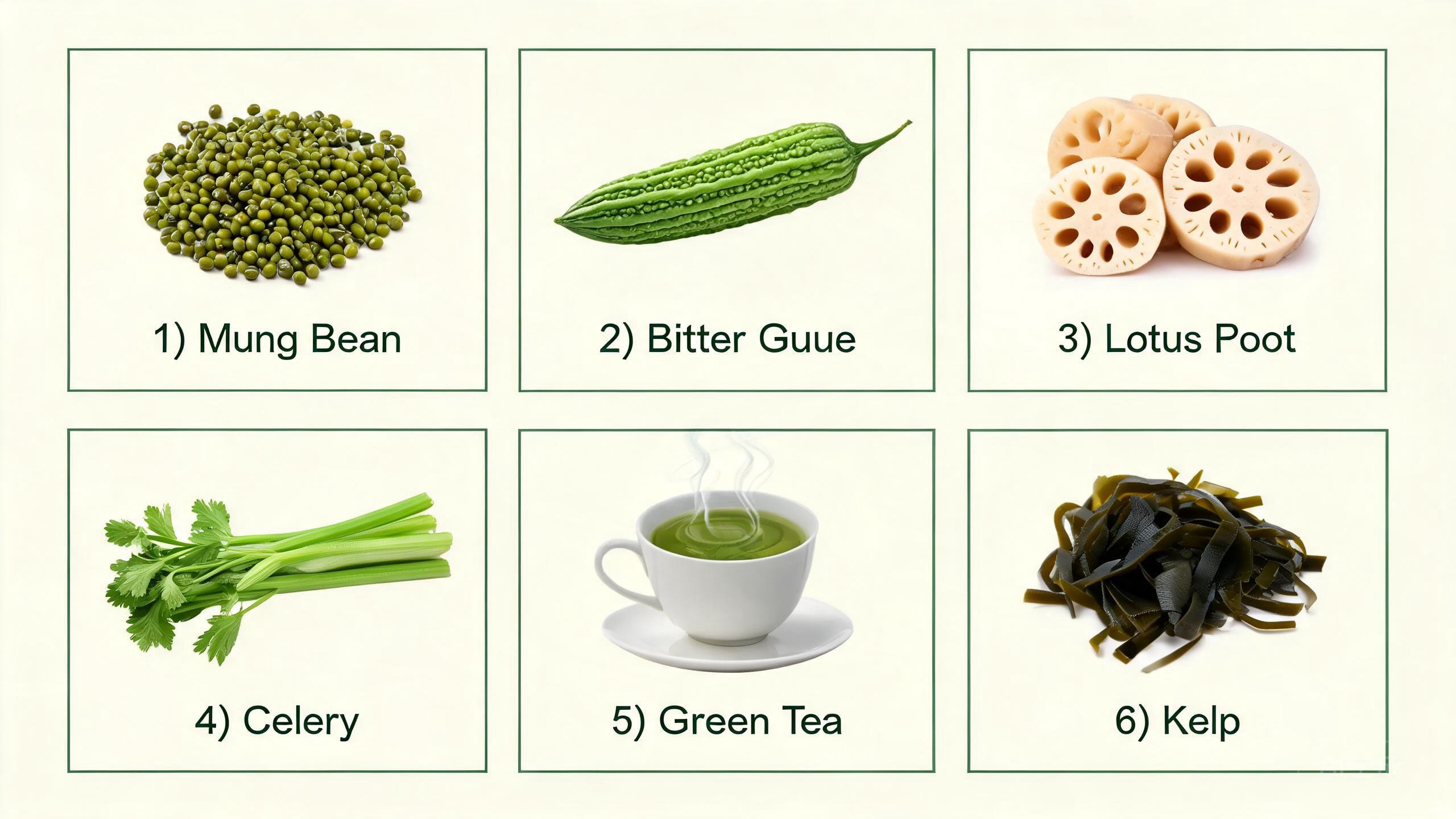
- Five everyday foods — mung beans, bitter melon, konjac, green tea, and bamboo shoots — are traditionally used to clear heat, drain dampness, and support bowel regularity.
- Mung beans (lu dou) are considered the number one TCM detox food, traditionally used to clear heat and resolve toxins.
- These are traditional dietary practices, not medical treatments. Consult your healthcare provider before making significant dietary changes.
This article is for educational purposes only and is not medical advice. The foods and practices described here are traditional dietary practices rooted in Chinese culture. They are not a substitute for professional medical care. TCM does not promote extreme detox regimens, fasting, or restrictive cleanses. The concept of "detox" in TCM refers to supporting the body's own natural processes through gentle, everyday foods — not to any dramatic intervention. If you have a health condition, take medication, or are considering significant dietary changes, consult your healthcare provider first. Some foods, particularly green tea, may interact with certain medications. These statements have not been evaluated by the FDA and are not intended to diagnose, treat, cure, or prevent any disease.
The word "detox" has become a buzzword in modern wellness culture, often associated with juice cleanses, fasting protocols, and restrictive regimens. But in Traditional Chinese Medicine, the concept of supporting the body's natural cleansing processes is far more gentle and gradual. TCM views "detox" not as a dramatic intervention but as an ongoing, everyday practice of eating foods that help the body clear heat, drain dampness, and maintain regular bowel function. There are no extreme measures — just simple, time-honored foods that generations of East Asian families have incorporated into daily meals.
If you are new to TCM concepts, our introduction to Traditional Chinese Medicine provides helpful background before diving in.
How TCM Views "Toxins" and Detox
The word "toxin" (du, 毒) appears throughout classical TCM texts, but its meaning is quite different from the modern Western concept of environmental toxins or chemicals. In TCM, "toxins" refer to harmful internal states that arise when the body's natural balance is disrupted. TCM identifies two main categories:
1. Heat Toxins (Re Du, 热毒) — These are associated with internal heat and inflammation. When the body accumulates too much heat — from fever, infection, excessive spicy or greasy food, emotional stress, or environmental heat — it can manifest as skin eruptions, sore throat, mouth ulcers, dark urine, constipation, and a feeling of internal heat. Heat-clearing, cooling foods are traditionally used to address this pattern. Mung beans, bitter melon, and green tea are classic choices.
2. Damp Toxins (Shi Du, 湿毒) — These are associated with sluggish metabolism, fluid retention, and the accumulation of metabolic waste. When the body's fluid metabolism is impaired — often from a diet high in dairy, sugar, and processed foods, or from living in a damp environment — it can manifest as heaviness, bloating, loose stools, skin conditions with oozing or weeping, and a feeling of being "stuck" or sluggish. Dampness-draining, fiber-rich foods that promote bowel regularity are traditionally used to address this pattern. Konjac and bamboo shoots are classic choices.
Crucially, TCM views detox through the lens of the body's own organs. The Liver is responsible for the smooth flow of qi and is associated with heat-clearing. The Spleen governs transformation and transportation — the process of extracting nutrients and eliminating waste. The Large Intestine is responsible for elimination. When these organs function well, the body naturally processes and eliminates what it does not need. To learn more about these organ systems, see our guide to Zang-Fu organs.
This whole-body perspective is central to TCM. To understand the broader framework of how TCM views the body's internal balance, see our guide to yin and yang and our overview of qi, blood, and body fluids.
Five Everyday TCM Foods for Natural Body Support
The following five foods are staples of East Asian kitchens. Each has a place in TCM tradition as a food that may support the body's natural cleansing processes when enjoyed as part of a balanced lifestyle. They are not medicines, and they are not a replacement for professional medical care. TCM emphasizes gentle, consistent dietary habits over any dramatic "cleanse."
1. Mung Bean (绿豆, Lu Dou)
TCM nature: Sweet, cold. Enters: Heart and Stomach channels.
Mung beans are widely regarded as the number one detox food in all of TCM. They have been cultivated in East Asia for over 5,000 years and are a staple of both the kitchen and the traditional pharmacy. TCM classifies mung beans as sweet and cold — properties traditionally associated with clearing heat, resolving toxins, and promoting urination. During hot summer months, mung bean soup is a ubiquitous cooling drink in Chinese households, consumed to prevent heatstroke and support the body's natural response to environmental heat. In classical texts, mung beans are also said to help "resolve the toxicity of other herbs and foods," which is why they are sometimes served alongside richer or more medicinal dishes.
How to prepare: Rinse 1/2 cup of dried mung beans. Soak for 2 hours (optional but speeds cooking). Simmer in 4 cups of water for 30 to 40 minutes until the beans split open and the water turns slightly green. Add a small amount of rock sugar to taste. Drink the broth and eat the beans. For a savory version, cook mung beans into a congee (rice porridge) with a handful of rice. Consume 1 to 2 bowls per day during hot weather or when feeling internal heat.
Precautions: Mung beans are cooling and cold in nature. If you have a cold, weak digestive system (spleen qi deficiency) with symptoms such as loose stools, cold hands and feet, or bloating after cold foods, consume them in moderation or pair with warming foods like ginger. Avoid consuming large amounts during winter or when feeling chilled.
2. Bitter Melon (苦瓜, Ku Gua)
TCM nature: Bitter, cold. Enters: Heart, Spleen, and Stomach channels.
Bitter melon, also known as bitter gourd, is a distinctive green, warty vegetable widely used in East Asian and South Asian cooking. TCM classifies it as bitter and cold — properties traditionally associated with clearing heat, supporting the liver, and brightening the eyes. In TCM theory, bitter flavors have a downward-directing, heat-clearing quality that makes bitter melon a natural choice for patterns of internal heat, especially when accompanied by irritability, dry mouth, or skin eruptions. The bitterness is considered part of its therapeutic action — TCM embraces bitter flavors as a way to "drain fire" from the body. Modern research has also explored bitter melon's potential effects on blood sugar metabolism, though these findings do not constitute medical claims.
How to prepare: Slice bitter melon in half lengthwise and scrape out the seeds and white pith (the most bitter part). Cut into thin slices. Soak in lightly salted water for 10 minutes to reduce bitterness, then drain. Stir-fry with eggs, garlic, and a little soy sauce. Alternatively, slice thinly and brew as a tea: simmer 5 to 6 slices in 10 oz of water for 10 minutes. Drink warm. For more kitchen-based TCM remedies, see our guide to everyday TCM kitchen remedies.
Precautions: Bitter melon is very cooling. Those with cold, weak digestion should limit intake or cook it with warming ingredients like ginger. Pregnant women should avoid consuming bitter melon in large amounts, as it has traditionally been considered a food that may stimulate contractions. If you take blood sugar medication, consult your healthcare provider before consuming bitter melon regularly, as it may have an additive effect.
3. Konjac (魔芋, Mo Yu)
TCM nature: Acrid, warm. Enters: Lung and Liver channels.
Konjac, also spelled konnyaku, is a root vegetable that has been used in East Asian cooking and traditional medicine for centuries. It is processed into a jelly-like food that is nearly calorie-free but extremely high in glucomannan, a soluble dietary fiber. In TCM, konjac is traditionally used to "resolve phlegm and dampness," "promote bowel movement," and "dissolve accumulations." Its exceptional fiber content makes it one of the most effective traditional foods for supporting bowel regularity and the elimination of metabolic waste. Konjac is widely consumed in Japan, China, and Korea as konnyaku, shirataki noodles, and various jelly products. For the damp-toxin pattern — with its characteristic heaviness, bloating, and sluggish elimination — konjac is a traditional dietary choice.
How to prepare: Purchase pre-cooked konjac (available as blocks or noodles in Asian markets). Rinse thoroughly under running water to remove the natural smell. Cut into bite-sized pieces or use as noodles. Stir-fry with vegetables and soy sauce, or add to soups and hot pots. Cook for 5 to 10 minutes to allow flavors to absorb. Consume 2 to 3 times per week as part of a regular diet. Drink plenty of water when consuming konjac, as its fiber absorbs significant amounts of liquid.
Precautions: Always consume konjac that has been properly processed — raw konjac is toxic and cannot be eaten. Drink adequate water when eating konjac, as insufficient fluid intake with high-fiber foods can cause digestive discomfort. If you have a history of digestive obstruction or difficulty swallowing, consult your healthcare provider before adding konjac to your diet.
4. Green Tea (绿茶, Lu Cha)
TCM nature: Bitter, sweet, cool. Enters: Heart, Lung, and Stomach channels.
Green tea is one of the most consumed beverages in the world and has a central place in TCM dietary tradition. Unlike black tea, which is fermented (oxidized), green tea is quickly steamed or pan-fired after harvest, preserving its natural catechins and polyphenols. TCM classifies green tea as cooling — traditionally used to "clear heat," "resolve toxins," "quench thirst," and "aid digestion." The catechins in green tea, particularly epigallocatechin gallate (EGCG), have attracted extensive modern research for their antioxidant properties. From a TCM perspective, green tea's cooling, heat-clearing nature makes it an ideal everyday beverage for supporting the body's natural processes, especially during warmer months or after rich, heavy meals.
How to prepare: Place 1 teaspoon of loose-leaf green tea (or 1 tea bag) in a cup. Pour 8 oz of hot water (75 to 80°C) over the leaves. Steep for 2 to 3 minutes — do not over-steep, as green tea becomes bitter. Strain and drink. Drink 2 to 3 cups per day. Green tea can also be combined with a few dried chrysanthemum flowers for a cooling, liver-supporting blend — see our chrysanthemum tea guide for details.
Precautions: Green tea contains caffeine and may cause sleep disturbance if consumed late in the day. The tannins in green tea can inhibit iron absorption — avoid drinking it with or immediately after iron-rich meals. If you take blood thinners, stimulants, or medications metabolized by the liver, consult your healthcare provider about green tea intake. For general guidance, see our herbal tea safety guide.
5. Bamboo Shoots (竹笋, Zhu Sun)
TCM nature: Sweet, slightly cold. Enters: Lung and Stomach channels.
Bamboo shoots are the edible young shoots of bamboo plants and are a beloved ingredient in Chinese, Japanese, and Southeast Asian cooking. TCM classifies them as slightly cooling — traditionally used to "clear heat and resolve phlegm," "promote digestion," and "support bowel movement." Bamboo shoots are rich in dietary fiber and low in calories, making them a traditional food for supporting digestive regularity and the elimination of waste. In TCM theory, their ability to "resolve phlegm" connects them to the broader concept of clearing damp accumulations from the body. Fresh bamboo shoots appear in markets in spring and are prized for their tender texture and delicate flavor. Dried bamboo shoots are available year-round and are a pantry staple in many Chinese households.
How to prepare: If using fresh bamboo shoots, peel the outer layers and boil in water for 20 to 30 minutes to remove natural bitterness and hydrocyanic acid. Slice and stir-fry with pork, shiitake mushrooms, and soy sauce. Alternatively, add to soups and stews. If using canned or vacuum-packed bamboo shoots, simply rinse and add to stir-fries or soups. Consume 2 to 3 times per week as part of a balanced diet.
Precautions: Fresh bamboo shoots must be boiled before eating — raw bamboo shoots contain natural compounds that can cause digestive upset. Those with a cold, weak digestive system should consume bamboo shoots in moderation, as their cooling and fiber-rich nature can be difficult to digest for sensitive individuals. If you have gout or high uric acid, consult your healthcare provider, as bamboo shoots contain purines.
Comparison of the Five Detox Support Foods
| Food | TCM Nature | Traditional Use | Preparation | Typical Frequency |
|---|---|---|---|---|
| Mung Bean (Lu Dou) | Sweet, cold | Clear heat, resolve toxins | Simmer as soup or congee | 1–2 bowls daily in summer |
| Bitter Melon (Ku Gua) | Bitter, cold | Clear heat, support liver | Stir-fry or brew as tea | 2–3 times weekly |
| Konjac (Mo Yu) | Acrid, warm | Drain dampness, promote bowels | Stir-fry or add to soups | 2–3 times weekly |
| Green Tea (Lu Cha) | Bitter, sweet, cool | Clear heat, resolve toxins | Steep as tea | 2–3 cups daily |
| Bamboo Shoots (Zhu Sun) | Sweet, slightly cold | Clear heat, aid digestion | Boil, then stir-fry or stew | 2–3 times weekly |
A TCM Perspective on "Detox" Culture
It is important to address a common misconception. Modern wellness culture often promotes extreme detox regimens — juice fasts, colon cleanses, restrictive diets, and supplement protocols — as necessary for "removing toxins" from the body. TCM takes a fundamentally different approach.
In TCM theory, the body is inherently capable of processing and eliminating waste through its own organs. The Liver, Spleen, Lungs, Kidneys, and Large Intestine all play roles in maintaining internal cleanliness. The goal of TCM dietary practice is not to "flush" or "force" detoxification, but to support the body's own natural processes by providing foods that are appropriate for the season, the individual's constitution, and the current pattern of balance.
This means:
- No fasting or starvation. TCM generally discourages extreme fasting, as it depletes spleen qi and can weaken digestion. Regular, moderate meals of whole foods are the foundation.
- Seasonal eating. TCM emphasizes eating cooling, heat-clearing foods (like mung beans and bitter melon) in summer, and warming, nourishing foods in winter. This aligns with the five elements theory, which connects dietary choices to seasonal energies.
- Consistency over intensity. A daily bowl of mung bean soup in summer, a cup of green tea after meals, and regular inclusion of fiber-rich vegetables like bamboo shoots and konjac are the traditional approach. There is no "3-day detox" in TCM — only sustainable, everyday habits.
- Supporting elimination. Foods that promote bowel regularity (konjac, bamboo shoots) and urination (mung beans, green tea) are valued because they support the body's own channels of elimination.
A simple TCM-inspired daily routine for natural body support: start the morning with a cup of green tea, include mung bean soup or a bitter melon stir-fry at lunch during warmer months, add konjac or bamboo shoots to dinner for fiber, and end the day with a warm ginger foot soak to support circulation. This is a gentle, sustainable approach — not an extreme cleanse.
Lifestyle Tips from a TCM Perspective
TCM is a whole-person system. Foods work best when combined with supportive daily habits. The following areas are emphasized in classical TCM texts for supporting the body's natural cleansing processes:
- Regular bowel habits. TCM views the Large Intestine as a key organ for elimination. Eating enough fiber-rich foods (like konjac and bamboo shoots), staying hydrated, and establishing a regular daily routine for bowel movements are essential. Chronic constipation is considered a sign of imbalance that should be addressed through dietary and lifestyle changes, not ignored.
- Emotional balance. In TCM, the Liver is responsible for the smooth flow of qi throughout the body, and it is the organ most affected by anger, frustration, and emotional stress. When Liver qi is stagnant, the body's natural processes — including digestion and elimination — can become sluggish. Practices such as mindful breathing and gentle movement help qi flow smoothly. See our meditation guide for practical starting points.
- Adequate sleep. TCM associates the hours between 11 PM and 3 AM with Liver and Gallbladder recovery. Prioritizing sleep during this window is considered essential for the body's natural restorative processes. Late nights and irregular sleep are said to impair the Liver's ability to regulate qi and clear heat.
- Regular, moderate movement. Gentle daily movement — walking, tai chi, qigong — keeps qi and blood flowing and supports all of the body's natural processes. Intensity is not the goal; consistency is.
- Hydration with warm fluids. TCM emphasizes warm beverages over ice-cold drinks, which are said to impair the Spleen's digestive function. Green tea, warm water, and light herbal teas are preferred.
For related reading on how TCM supports overall wellness through everyday foods, see our guide to TCM remedies for blood pressure support and our overview of everyday TCM kitchen remedies.
When to See a Doctor
The foods and practices in this article are complementary dietary traditions, not medical treatments. You should see a healthcare provider if you experience any of the following:
- Persistent digestive symptoms such as chronic constipation, diarrhea, bloating, or abdominal pain
- Unexplained weight loss, fatigue, or changes in appetite
- Skin conditions that are severe, spreading, or accompanied by fever
- Dark-colored urine or changes in bowel habits that persist
- Any new or worsening symptoms that concern you
If you are currently taking any medication, speak with your doctor before making significant dietary changes or consuming large amounts of any single food. Some foods, particularly green tea and bitter melon, may interact with medications. Always inform your healthcare provider about all dietary changes you are making.
The Bottom Line
Traditional Chinese Medicine offers a gentle, food-based tradition for supporting the body's own natural cleansing processes. Mung beans, bitter melon, konjac, green tea, and bamboo shoots are five everyday foods that generations of East Asian families have enjoyed as part of a balanced, seasonal diet. Unlike modern "detox culture," TCM does not promote extreme regimens — it emphasizes consistent, moderate, everyday dietary habits that help the body do what it is naturally designed to do.
But these are traditions — not treatments, and not a replacement for medical care. If you have a health condition or take medication, your most important step is to work with a qualified healthcare provider. Use these traditional dietary practices only as complementary habits, with your doctor's knowledge and guidance.
This article shares traditional dietary practices for educational purposes only. It is not a substitute for medical advice, diagnosis, or treatment. The foods described here are not intended to treat, cure, or prevent any disease. TCM does not promote extreme detox regimens, fasting, or restrictive cleanses. If you have a health condition, take medication, or are considering significant dietary changes, consult your healthcare provider before proceeding. These statements have not been evaluated by the FDA. Never stop or adjust prescribed medication without your doctor's explicit guidance.