Key Takeaways
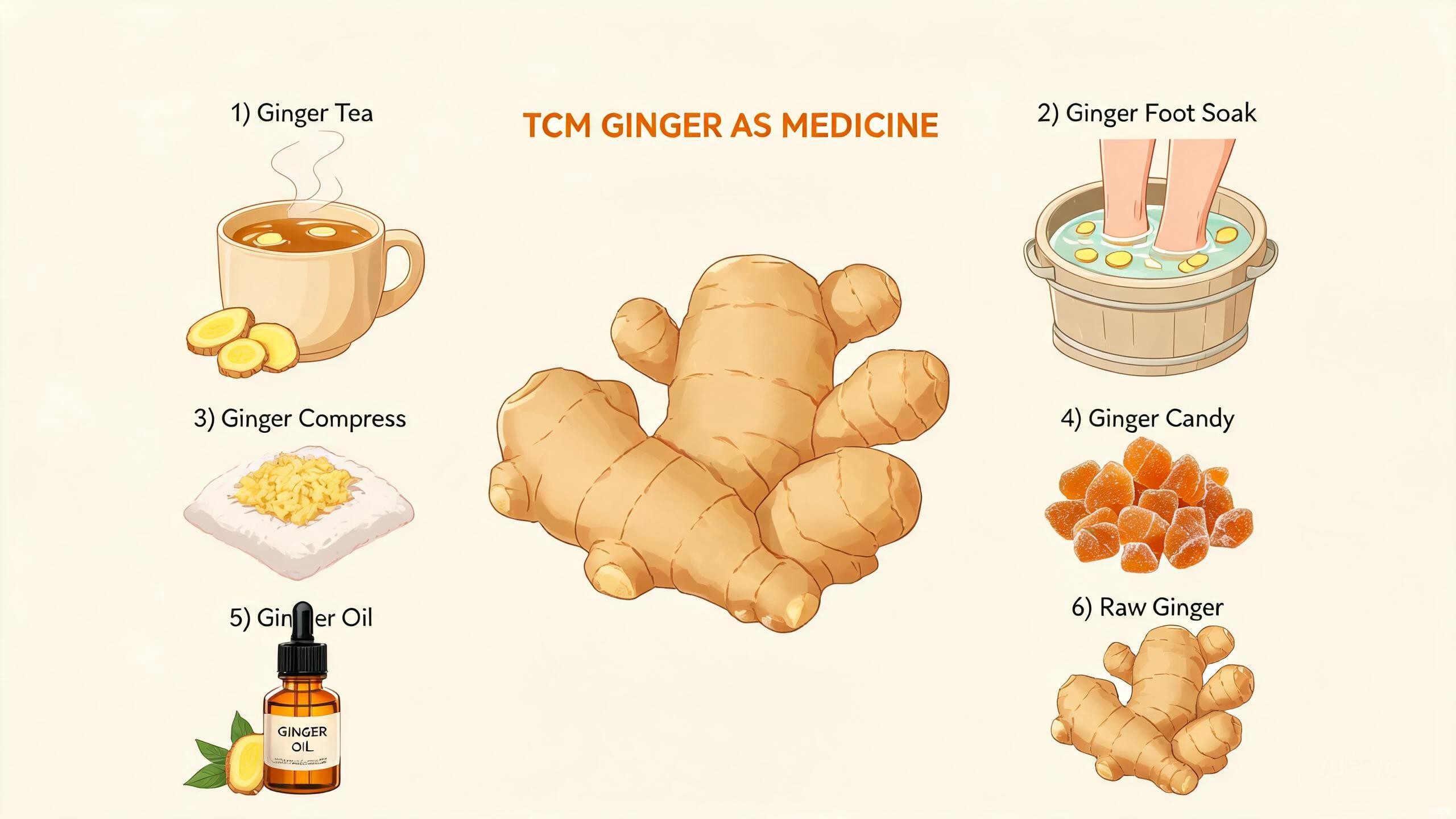
- Ginger is one of the most important medicine-food homologous (Yao Shi Tong Yuan) herbs in TCM — both a daily food and a healing remedy.
- Its nature is pungent and warm, entering the Lung, Spleen, and Kidney meridians — making it ideal for dispersing cold, warming the stomach, and settling nausea.
- Fresh ginger (Sheng Jiang) is milder and used for early-stage colds and nausea; dried ginger (Gan Jiang) is hotter and used for deeper internal cold patterns.
- People with yin deficiency with empty fire (dry mouth, night sweats, irritability) should use ginger cautiously.
- All five recipes use ingredients found at ordinary Western supermarkets.
This article is for wellness education only and is not medical advice. The ginger recipes described here are traditional food therapy practices, not medical treatments. Ginger may interact with blood thinners and certain medications. If you have gallstones, acid reflux, or are pregnant, consult your healthcare provider before using ginger therapeutically. Always inform your doctor about all herbs and supplements you use.
Of all the herbs in the TCM pharmacy, ginger is perhaps the most universally accessible. You don't need a specialty store, a prescription, or expert knowledge to use it — it sits in nearly every kitchen in the world. Yet in TCM, ginger is far more than a spice. It is a medicine-food homologous (Yao Shi Tong Yuan) herb, meaning it serves as both daily nourishment and healing remedy. This dual identity makes ginger the perfect entry point into TCM food therapy.
Confucius reportedly ate ginger with every meal. Ancient Chinese physicians prescribed it for everything from colds to digestive distress. Modern research has since confirmed many of its traditional uses, particularly for nausea. Let's explore ginger's place in TCM theory and five practical ways to use it.
Ginger in TCM Theory
In TCM, every food and herb is classified by its nature (temperature), flavor, and the meridians it enters. Ginger's profile reveals why it is so versatile:
- Nature: Warm (fresh ginger / Sheng Jiang) or Hot (dried ginger / Gan Jiang). This warming quality makes ginger ideal for cold-type conditions — colds with chills, cold stomach pain, cold limbs, and diarrhea from cold.
- Flavor: Pungent (spicy). Pungent flavors in TCM have a dispersing, moving quality. They push pathogens outward (sweating out a cold), move stagnant qi (relieving bloating), and promote circulation.
- Meridians entered: Lung, Spleen, and Kidney. The Lung connection makes it effective for respiratory colds. The Spleen connection makes it a stomach-warming and digestive aid. The Kidney connection supports its deeper warming use for cold limbs and lower body weakness.
This three-meridian reach is why ginger features in so many TCM formulas — it works simultaneously on the respiratory, digestive, and deep-warming levels. For background on TCM's organ system, see our zang-fu organ guide.
5 Practical Ways to Use Ginger
1. Ginger Brown Sugar Tea
Best for: Early-stage wind-cold, chills, mild headache, runny nose with clear mucus
Nature and flavor: Warm, sweet and pungent. Enters the Lung and Spleen meridians.
Traditional use: This is the most classic TCM cold remedy — the first thing many Chinese households reach for when someone feels a chill coming on. Fresh ginger's pungent warmth disperses wind-cold and induces a light sweat, pushing the cold pathogen outward. Brown sugar (unrefined cane sugar) adds warmth and nourishes blood, making the tea more energizing than plain ginger water. The combination is gentle enough for daily use yet effective for early-stage colds.
Ingredients:
- A thumb-sized piece of fresh ginger (about 30g), sliced thinly
- 2 tablespoons dark brown sugar or unrefined cane sugar (muscovado works well)
- 2 cups water
Preparation: Place the ginger slices and water in a small pot. Bring to a boil, then reduce heat and simmer for 10 minutes. Add the brown sugar and stir until dissolved. Drink warm, ideally while wrapping yourself in a blanket to encourage a light sweat. Best taken at the very first sign of a cold — once symptoms are established, this tea is less effective. For more cold-fighting recipes, see our TCM for cold and flu guide.
Brown sugar can be found in the baking aisle of any Western supermarket. Look for dark brown sugar or muscovado sugar — the less refined, the better. If you prefer, coconut sugar also works as a warming, mineral-rich alternative.
Precautions: Do not use this tea for wind-heat colds (symptoms include sore throat, yellow mucus, fever without chills). Avoid if you have a yin-deficient constitution (dry mouth, night sweats, constipation).
2. Ginger and Jujube Tea
Best for: Warming a cold stomach, supporting digestion, cold hands and feet, menstrual cramps from cold
Nature and flavor: Warm, sweet and pungent. Enters the Spleen, Stomach, and Heart meridians.
Traditional use: This combination is a cornerstone of daily TCM wellness. Fresh ginger warms the middle burner (spleen and stomach), while dried red dates (jujubes) nourish spleen qi and blood. Together, they create a warming, gently energizing tea that supports digestion, improves circulation to the extremities, and is traditionally used for menstrual discomfort caused by cold. Many people drink this daily during autumn and winter as a preventive measure.
Ingredients:
- A thumb-sized piece of fresh ginger, sliced
- 6 dried red dates (jujubes), pitted — available on Amazon or iHerb
- 3 cups water
- Optional: 1 teaspoon brown sugar or honey
Preparation: Slit the red dates open to release their flavor. Combine ginger slices, red dates, and water in a pot. Bring to a boil, then simmer for 15 to 20 minutes. The tea will turn a warm amber color. Strain and add sweetener if desired. Drink 1 cup in the morning or mid-afternoon. For a complete guide to this tea, see our ginger tea guide and chamomile and red date tea guide.
Precautions: This is a warming tea. If you feel hot, irritable, or have a dry mouth, reduce the frequency or switch to a cooling tea like chrysanthemum tea.
3. Ginger and Tangerine Peel Drink
Best for: Nausea, vomiting, bloating, phlegm, feeling of fullness after eating
Nature and flavor: Warm, pungent and bitter. Enters the Spleen, Stomach, and Lung meridians.
Traditional use: In TCM, nausea and bloating are often caused by "rebellious stomach qi" — energy that should move downward but instead rises upward. Fresh ginger is the premier herb for directing stomach qi downward and stopping vomiting. Aged tangerine peel (Chen Pi) moves stagnant qi, resolves phlegm, and reduces fullness. The combination is remarkably effective for digestive discomfort, especially after eating heavy or cold foods.
Ingredients:
- A thumb-sized piece of fresh ginger, sliced
- 1 small strip of dried tangerine peel (Chen Pi) — available on Amazon or iHerb, or make your own by drying organic orange peel
- 2 cups water
Preparation: Combine the ginger slices, tangerine peel, and water in a pot. Bring to a boil, then simmer for 10 minutes. Strain and drink warm. For nausea, sip slowly in small amounts. For bloating, drink 1 cup after meals. Our tangerine peel tea guide covers sourcing and making your own dried peel.
Traditional Chen Pi is made from aged tangerine peel, but you can create a similar ingredient at home. Save the peels of organic oranges or tangerines, dry them in a low oven (150°F / 65°C) for 2 to 3 hours until completely crisp, and store in a sealed jar. The longer they age, the more potent they become in TCM theory.
Precautions: Safe for most people. If you have stomach ulcers or severe acid reflux, the pungent nature may irritate — start with a very small amount of ginger.
4. Ginger Juice with Honey
Best for: Dry cough with clear or white phlegm, throat irritation, dry throat from cold air
Nature and flavor: Warm, sweet and pungent. Enters the Lung and Spleen meridians.
Traditional use: In TCM, a dry cough with sticky phlegm often indicates that the lungs lack warmth and moisture. Fresh ginger juice warms the lungs and helps transform phlegm, while honey moistens the lungs and soothes the throat. The combination of warming ginger and moistening honey creates a balanced remedy that neither dries out the throat nor adds excessive dampness. This is a traditional recipe for lingering coughs after a cold.
Ingredients:
- 1 tablespoon freshly grated ginger juice (grate fresh ginger and squeeze the juice through a fine strainer or cheesecloth)
- 1 tablespoon raw honey
- 1/2 cup warm water (not boiling — heat destroys honey's beneficial properties)
Preparation: Grate a thumb-sized piece of fresh ginger and squeeze out 1 tablespoon of juice. Combine the ginger juice with warm (not hot) water and stir in the honey until dissolved. Sip slowly. Take 2 to 3 times daily for a cough, for up to 5 days. For more cough remedies, see our TCM for cough relief guide.
Precautions: Do not give honey to children under 1 year old (risk of botulism). If you have diabetes, use sparingly. If the cough produces yellow or green phlegm (a heat pattern), ginger may not be appropriate — consult a TCM practitioner or healthcare provider.
5. Ginger Rice Porridge
Best for: Weak digestion, chronic cold stomach, loss of appetite, recovery from illness, morning nausea
Nature and flavor: Warm, sweet and pungent. Enters the Spleen and Stomach meridians.
Traditional use: Rice porridge (congee) is the foundational healing food in TCM — gentle, easily digested, and deeply nourishing. Adding fresh ginger transforms a simple porridge into a warming remedy for the spleen and stomach. This porridge is traditionally used for people with chronically cold digestion, poor appetite, or those recovering from illness when the digestive system is too weak for heavy foods. It's also a gentle option for morning nausea.
Ingredients:
- 1/2 cup white rice (short or medium grain)
- 4 thin slices fresh ginger
- 5 cups water or chicken broth
- Optional: a pinch of salt, chopped scallions
Preparation: Rinse the rice. Combine rice, ginger slices, and water (or broth) in a pot. Bring to a boil, then reduce to very low heat and simmer for 45 to 60 minutes, stirring occasionally, until the rice breaks down into a smooth, creamy porridge. Remove the ginger slices before serving. Add salt and scallions to taste. Eat 1 bowl warm, ideally at breakfast or as a light dinner. For more on congee, see our complete congee guide.
In TCM food therapy, white rice is preferred for healing porridges because it is the most easily digested grain. Brown rice, while more nutritious, is harder for a weakened digestive system to process. If your digestion is strong, you can use a mix of white and brown rice. The goal of this porridge is gentleness and warmth, not maximum nutrition.
Precautions: Very gentle and suitable for most people. If you experience acid reflux, eat smaller portions and avoid lying down immediately after.
Fresh Ginger vs. Dried Ginger: What's the Difference?
One of the most important distinctions in TCM is between fresh ginger (Sheng Jiang) and dried ginger (Gan Jiang). While they come from the same plant, their properties and uses are quite different:
| Property | Fresh Ginger (Sheng Jiang) | Dried Ginger (Gan Jiang) |
|---|---|---|
| Nature | Warm | Hot |
| Primary action | Disperses exterior cold (sweating), warms stomach, stops nausea | Warms interior deeply, warms spleen and kidneys, restores yang |
| Best for | Early-stage colds, nausea, stomach discomfort | Chronic cold digestion, cold diarrhea, cold limbs, deep internal cold |
| Daily use | Safe and common | Use with more caution; for specific cold patterns |
| Where to find | Any supermarket produce section | Spice aisle (ground ginger) or Asian markets (dried slices) |
The key takeaway: for everyday wellness, early-stage colds, and nausea, use fresh ginger. For deep, chronic cold patterns (cold diarrhea, cold extremities from internal cold), dried ginger or dried ginger slices are more appropriate. Ground ginger from the spice aisle works as a dried ginger substitute in tea.
When to Avoid Ginger: Contraindications
While ginger is generally safe, TCM identifies specific situations where it should be used cautiously or avoided:
- Yin deficiency with empty fire: If you experience dry mouth, night sweats, afternoon hot flashes, irritability, dry cough, or constipation, ginger's warming nature may worsen these symptoms. Cooling foods like chrysanthemum tea or lily bulb may be more appropriate.
- Wind-heat colds: If your cold symptoms include a sore throat, yellow mucus, fever without chills, and a red face, ginger (which warms and disperses) may push the heat deeper. Cooling remedies are preferred.
- Bleeding disorders: Ginger has mild blood-thinning properties. If you take anticoagulants (like warfarin) or have a bleeding disorder, consult your doctor before consuming large amounts of ginger.
- Gallstones: Ginger may increase bile production. If you have gallstones, consult your healthcare provider.
- Acid reflux (severe): While small amounts of ginger may help mild indigestion, large amounts can worsen acid reflux in some people.
What Modern Research Says About Ginger
Contemporary science has validated many of ginger's traditional uses:
- Nausea and vomiting: Multiple systematic reviews have found ginger effective for morning sickness, motion sickness, and post-operative nausea. The mechanism is thought to involve gingerols and shogaols, which affect serotonin receptors in the digestive system.
- Anti-inflammatory: Ginger contains potent anti-inflammatory compounds (gingerols) that may help reduce joint pain and muscle soreness. This aligns with TCM's use of ginger to "warm and unblock" painful, cold-stiff joints.
- Digestive support: Research suggests ginger accelerates gastric emptying, which may explain its traditional use for bloating and fullness.
- Cold and flu: Ginger's warming, diaphoretic (sweat-inducing) action is supported by evidence that it has mild antimicrobial and immune-supporting properties.
While modern research confirms ginger's benefits, TCM adds an important layer: the wisdom of matching the remedy to the pattern. Ginger is not for everyone or every condition — it's for cold-type patterns. This individualized approach is what makes TCM food therapy so effective when applied correctly.
Frequently Asked Questions
What is ginger used for in TCM?
In TCM, ginger (Sheng Jiang) is classified as pungent and warm, entering the Lung, Spleen, and Kidney meridians. It is traditionally used to disperse wind-cold, warm the middle burner, stop nausea and vomiting, resolve phlegm, and support digestion. Fresh ginger is used for early-stage colds and stomach warming, while dried ginger (Gan Jiang) is more strongly warming and is used for deeper cold patterns affecting the spleen and kidneys.
What is the difference between fresh ginger and dried ginger in TCM?
In TCM, fresh ginger (Sheng Jiang) is warm and is used to disperse exterior wind-cold, warm the stomach, and stop vomiting. Dried ginger (Gan Jiang) is hot in nature and is used to warm the interior, especially the spleen and kidneys, for patterns involving cold in the middle burner with diarrhea or cold limbs. Fresh ginger is milder and more suitable for daily use, while dried ginger is reserved for more pronounced cold patterns.
Can I drink ginger tea every day?
For most people, 1 to 2 cups of mild ginger tea daily is safe and well-tolerated. However, ginger is warming in nature. If you have a yin-deficient or heat-type constitution (dry mouth, night sweats, irritability, constipation), daily ginger tea may worsen your symptoms. If you take blood thinners, have gallstones, or experience acid reflux, consult your healthcare provider before using ginger regularly.
Is ginger good for nausea and morning sickness?
Ginger is one of the most widely studied herbs for nausea, including motion sickness, post-surgery nausea, and pregnancy-related nausea. In TCM, ginger warms the stomach and directs rebellious qi downward, which is how it traditionally addresses nausea. For morning sickness, ginger tea or ginger juice with honey may provide relief. However, pregnant women should consult their healthcare provider before using ginger, especially in the first trimester and at higher doses.
Precautions and When to Seek Help
While ginger is a food-grade herb with a strong safety record, keep these guidelines in mind:
- Medication interactions: Ginger may interact with blood thinners (warfarin, aspirin), diabetes medications, and blood pressure drugs. Always inform your healthcare provider.
- Pregnancy: Small amounts of ginger in food are generally considered safe during pregnancy. For therapeutic doses (like ginger tea for morning sickness), consult your obstetrician first.
- Before surgery: Stop taking concentrated ginger supplements at least 2 weeks before surgery due to its blood-thinning effects.
- Not a substitute: These recipes are complementary wellness practices. For persistent symptoms, consult a qualified healthcare provider.
For more warming foods and remedies, explore our TCM for cold and flu guide, ginger foot soak guide, and moxibustion for cold guide.
The Bottom Line
Ginger's place in TCM is earned through millennia of use and, increasingly, through modern scientific validation. It is warming without being harsh, accessible without being trivial, and versatile enough to address colds, nausea, digestive distress, and cough — all from a root you can buy at any supermarket. The key, as always in TCM, is to match the remedy to your pattern. If you run cold, feel sluggish, or catch every chill that goes around, ginger may become your most valuable kitchen ally.
This article is for educational purposes only and is not medical advice. The ginger recipes described here are traditional food therapy practices, not medical treatments. Ginger may interact with medications including blood thinners, diabetes drugs, and blood pressure medications. If you are pregnant, have gallstones, bleeding disorders, or acid reflux, consult your healthcare provider before using ginger therapeutically. The TCM Home Editorial Team does not claim that these recipes cure, treat, or diagnose any disease.