Key Takeaways
- TCM's core immunity principle is "when upright qi is strong within, evil cannot invade" — meaning that building internal resilience is the foundation of prevention.
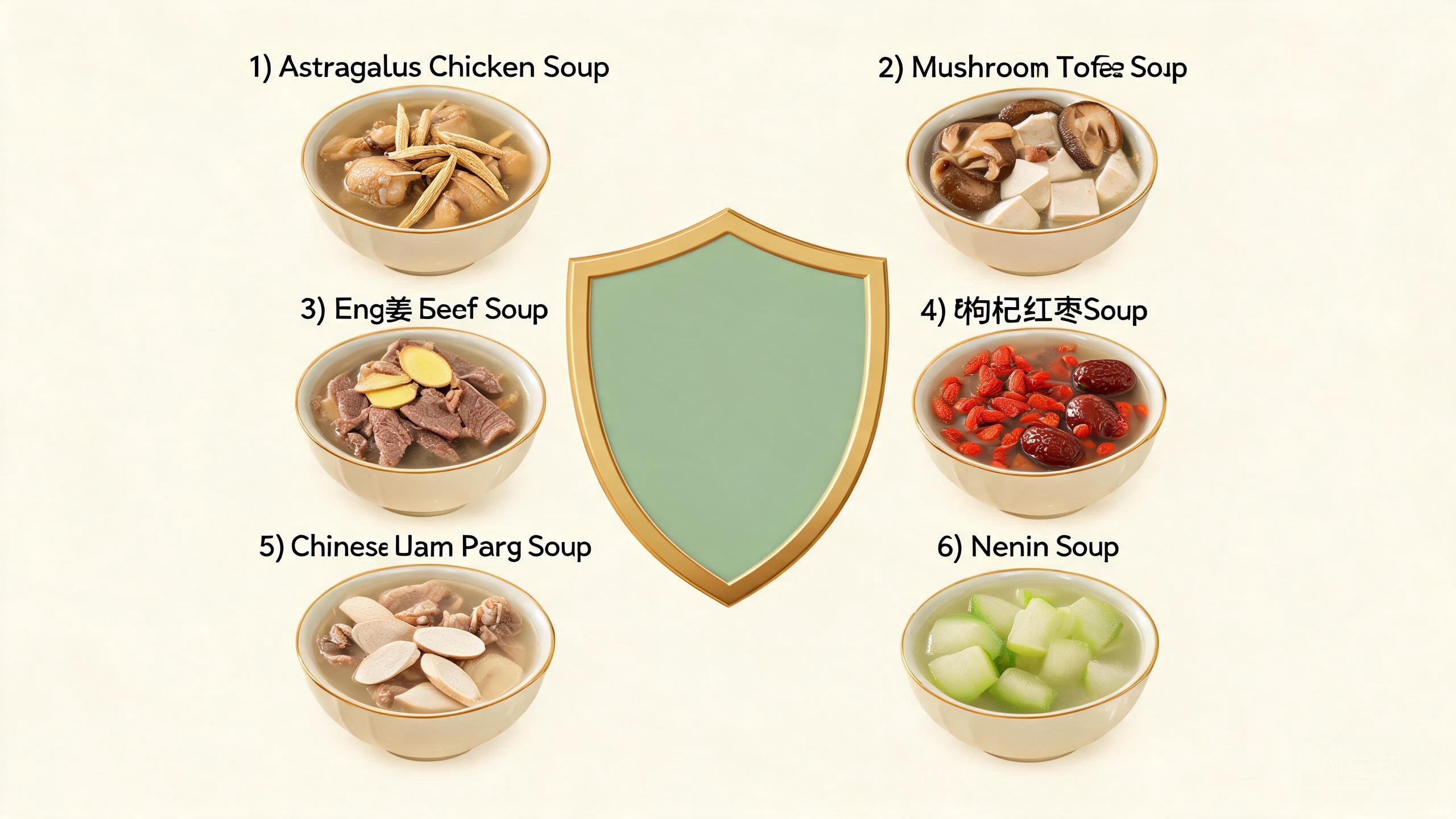
- Astragalus chicken soup is the most renowned immune-supporting soup in TCM, traditionally used to tonify qi and "secure the exterior."
- Chinese yam and pork rib soup simultaneously strengthens the spleen, lung, and kidney — three organs central to immune function.
- Tonic soups are for prevention, not for active illness — stop tonifying soups when you have a cold or fever.
- All ingredients are available at Western supermarkets, Amazon, or iHerb.
This article is for wellness education only and is not medical advice. The soups described here are traditional dietary wellness practices, not treatments for any disease. They are not intended to prevent, treat, or cure infections. If you are ill, consult your healthcare provider. Some herbs, particularly astragalus, should be avoided during active infections. Always inform your doctor about any herbs or supplements you use.
When cold season arrives, many people reach for vitamin C, zinc, and echinacea. Traditional Chinese Medicine (TCM) takes a different approach entirely. Rather than waiting for the first sneeze and then reacting, TCM focuses on building the body's internal resilience before illness strikes — through nourishing foods, adequate rest, and specifically crafted tonic soups that have been used for centuries to support what TCM calls upright qi ( zheng qi), the body's innate defensive strength.
The beauty of TCM tonic soups lies in their dual nature: they are simultaneously therapeutic and deeply comforting. A bowl of slow-simmered astragalus chicken soup does more than warm the body — it delivers a carefully balanced combination of qi-tonifying herbs, blood-nourishing foods, and easily assimilated proteins that support the body's natural resilience. Below, we explore the TCM theory of immunity and share five traditional tonic soup recipes using ingredients available at Western supermarkets, Amazon, and iHerb.
The TCM Concept of Immunity: Upright Qi
In TCM theory, the body's ability to resist illness is governed by a concept called upright qi ( zheng qi), sometimes translated as "righteous qi" or "upright energy." Upright qi encompasses all the body's healthy, defensive functions — what modern medicine might call immune function, but broader. It includes the strength of the digestive system, the quality of sleep, the balance of emotions, and the body's overall vitality.
The foundational principle comes from the classical text Huangdi Neijing: "When upright qi is strong within, evil cannot invade" ( zheng qi cun nei, xie bu ke gan). This does not mean that strong people never get sick, but rather that a well-nourished, balanced body is more resilient to the "evil qi" ( xie qi) — external pathogenic factors like wind, cold, and heat — that cause illness.
Upright qi is supported by several organ systems working together:
- The Lung — In TCM, the lung governs qi and controls the skin and body surface. It is the first line of defense against external pathogens, which are said to enter through the skin and nose. The lung's defensive qi ( wei qi) circulates just beneath the skin, acting as a protective shield.
- The Spleen — The spleen produces qi and blood from food. A strong spleen means good digestion, which means the body can extract the nutrients needed to maintain defensive qi. Weak digestion leads to weak immunity.
- The Kidney — The kidneys store essence ( jing), the body's deepest energy reserve. Essence provides the constitutional foundation for all types of qi, including defensive qi. When kidney essence is depleted through overwork, stress, or aging, immune resilience suffers.
This is why TCM tonic soups typically address all three organ systems simultaneously — strengthening the lung, tonifying the spleen, and nourishing the kidney. For more on these organ systems, see our zang-fu organs guide and our guide to qi, blood, and body fluids.
How TCM Soups Support Immune Resilience
Soup ( tang) is the preferred delivery method for TCM food therapy for several reasons:
- Gentle extraction. Slow simmering extracts the therapeutic compounds from herbs and foods without destroying them. The resulting broth is easily absorbed by even a weakened digestive system.
- Warming. Warm liquids support the spleen's digestive function, which is central to qi production. Cold foods and drinks, by contrast, are said to weaken the spleen.
- Harmonization. In a soup, warming and cooling ingredients balance each other. A qi-tonifying herb that might be too drying on its own becomes harmonious when simmered with moistening foods.
- Hydration. The broth provides fluids that support the lung's function of moistening the respiratory tract — an important barrier against pathogens.
- Accessibility. Soup is universally comforting and easy to make. It requires no special equipment beyond a pot and patience.
The key timing principle in TCM is that tonic soups are for prevention and recovery, not for active illness. During a cold or flu, the body needs to release the pathogen, not be nourished. Tonic soups, particularly those containing astragalus, are traditionally stopped during active infections and resumed after recovery. For guidance on what to eat during an active cold, see our TCM for cold and flu guide.
Soup 1: Astragalus Chicken Soup
TCM function: Tonify qi, secure the exterior, strengthen the spleen, lift yang
Best for: People who catch colds easily, feel fatigued, sweat easily, or have weak digestion
Ingredient Analysis
Astragalus root ( huang qi) is sweet and slightly warm. It enters the spleen and lung channels. Astragalus is the single most important herb in TCM for strengthening defensive qi. It is traditionally said to "secure the exterior" — meaning it tightens the body's surface defenses, making it harder for pathogens to enter. Astragalus also tonifies spleen qi (supporting digestion and energy production) and lifts yang (addressing fatigue and prolapse). Modern research has studied astragalus for its immunomodulatory properties.
Chicken ( ji rou) is sweet and warm. It enters the spleen and stomach channels. Chicken provides high-quality protein and tonifies qi and blood, making it the ideal meat partner for astragalus. Together, they create a soup that is both deeply nourishing and specifically targeted at immune resilience.
Preparation
Ingredients: 15 to 20 grams dried astragalus root slices (about 4 to 5 pieces), 1 whole chicken (about 2 lbs, cut into pieces), 5 slices fresh ginger, 6 to 8 dried red dates (pitted), 8 cups water, salt to taste.
Method: Blanch the chicken in boiling water for 5 minutes, then drain and rinse. Place the chicken, astragalus, ginger, red dates, and water in a pot. Bring to a boil, then reduce to a low simmer. Cover and cook for 1.5 to 2 hours. In the last 10 minutes, you can add 1 tablespoon of goji berries. Add salt to taste. Drink 1 bowl, 2 to 3 times per week during cold season.
Suitable Population
This soup is ideal for people with qi deficiency: those who tire easily, catch colds frequently, sweat with minimal exertion, have a weak voice, or have poor appetite. It is particularly valuable during the transition seasons of autumn and spring. For a detailed guide, see our astragalus soup guide and our astragalus tea guide.
Astragalus should not be consumed during an active cold, flu, or fever. In TCM theory, astragalus "secures the exterior," which can trap pathogens inside if taken during an active infection. Stop this soup at the first sign of illness and resume only after full recovery.
Soup 2: Chinese Yam and Pork Rib Soup
TCM function: Strengthen the spleen, benefit the lung, nourish the kidney
Best for: People with weak digestion, poor appetite, frequent mild coughs, or general fatigue
Ingredient Analysis
Chinese yam ( shan yao, also known as dioscorea or shanyao) is sweet and neutral. It enters the spleen, lung, and kidney channels. Chinese yam is unique in TCM because it simultaneously tonifies three of the most important organ systems for immunity. It strengthens the spleen (improving digestion and qi production), benefits the lung (supporting respiratory health), and nourishes the kidney (supporting the body's deepest reserves). Because it is neutral in temperature, it can be eaten regularly without causing heat or coldness.
Pork ribs ( zhu gu) are sweet and neutral. They enter the spleen and kidney channels. In TCM food therapy, pork ribs are valued for their ability to nourish yin, strengthen the bones, and provide rich, easily absorbed nutrition. The marrow in the bones is particularly nourishing to kidney essence. Slow simmering extracts these nutrients into the broth.
Preparation
Ingredients: 1 medium Chinese yam (about 200g, peeled and cut into chunks), 1 lb pork ribs, 5 slices fresh ginger, 6 dried red dates (pitted), 8 cups water, salt to taste.
Method: Blanch the pork ribs in boiling water for 5 minutes, then drain and rinse. Combine the ribs, ginger, red dates, and water in a pot. Bring to a boil, then simmer for 1 hour. Add the Chinese yam chunks and cook for another 30 minutes until the yam is soft but not falling apart. Add salt to taste. Drink 1 bowl, 2 to 3 times per week.
Suitable Population
This soup is suitable for almost everyone, including children and the elderly. It is particularly good for people with chronic weak digestion, those recovering from illness, and anyone who tends toward dry coughs or fatigue. The neutral nature of Chinese yam makes this one of the safest and most versatile tonic soups. For more on Chinese yam, see our yam congee guide.
Precautions
Raw Chinese yam skin can cause itching in some people due to enzymes. Peel under running water or wear gloves. Cooking completely neutralizes this effect. If you cannot find fresh Chinese yam, dried yam slices (available on Amazon and iHerb) can be used after soaking.
Soup 3: Mushroom and Duck Soup
TCM function: Nourish yin, benefit the lung, support kidney essence
Best for: People with yin deficiency (dry cough, dry mouth, night sweats, restlessness)
Ingredient Analysis
Mushrooms — In this recipe, we use a combination of dried shiitake mushrooms and fresh button or cremini mushrooms. This substitutes for cordyceps flower ( dong chong hua), a traditional ingredient that may be difficult to find in Western countries. Mushrooms are sweet and neutral in TCM. They are traditionally used to tonify qi, nourish yin, and support the lung. Modern research has extensively studied mushrooms (particularly shiitake, maitake, and reishi) for their immune-supporting polysaccharides. The combination of dried and fresh mushrooms provides depth of flavor and a broad spectrum of beneficial compounds.
Duck ( ya rou) is sweet and slightly cool. It enters the spleen, stomach, lung, and kidney channels. Duck is the most yin-nourishing of the common meats in TCM. It is traditionally used to nourish lung and kidney yin, clear heat, and support fluid production. This makes duck particularly suitable for people who tend toward dryness — dry cough, dry skin, dry mouth — or who feel internally warm even in cool weather.
Preparation
Ingredients: 4 dried shiitake mushrooms (soaked), 200g fresh button or cremini mushrooms (quartered), 1 duck (about 2 lbs, cut into pieces), 5 slices fresh ginger, 6 cups water, 2 scallions, salt to taste.
Method: Soak the dried shiitake mushrooms in warm water for 30 minutes, then slice. Blanch the duck pieces in boiling water for 5 minutes, then drain. Combine the duck, ginger, scallions, soaked shiitake, and water in a pot. Bring to a boil, then simmer for 1.5 hours. Add the fresh mushrooms and cook for 20 more minutes. Add salt to taste. Drink 1 bowl, 1 to 2 times per week.
Suitable Population
This soup is ideal for people with yin deficiency patterns: those who experience dry cough, dry mouth and throat, night sweats, restlessness, or a feeling of internal heat. It is particularly suitable for autumn and winter, when the air is dry and heating systems further deplete body fluids. Duck is available at butcher shops and some supermarkets; if unavailable, chicken can be substituted (though the yin-nourishing effect will be somewhat reduced). For more on duck in TCM, see our duck soup guide.
Precautions
Duck is slightly cooling in nature. If you tend to feel cold easily, have a weak digestive system with loose stools, or have signs of cold-dampness (heavy feeling, thick white tongue coating), use chicken instead or add extra ginger. Duck fat is rich; skim excess fat from the soup surface before serving if desired.
Soup 4: Lotus Seed, Lily Bulb and Pork Soup
TCM function: Strengthen the spleen, moisten the lung, calm the mind, support sleep
Best for: People with stress-related immune weakness, poor sleep, dry cough, or anxiety
Ingredient Analysis
Lotus seeds ( lian zi) are sweet and neutral. They enter the spleen, kidney, and heart channels. Lotus seeds are a versatile tonic that strengthens the spleen (digestion), nourishes the kidney (essence), and calms the heart (mind). Their calming properties make them particularly valuable for people whose immune resilience is compromised by stress and poor sleep.
Lily bulb ( bai he) is sweet and slightly cold. It enters the heart and lung channels. Lily bulb is one of the most important foods for nourishing lung yin and clearing heart heat. It is traditionally used for dry cough, dry throat, and restlessness — all signs of lung and heart yin deficiency. In the context of immunity, lily bulb supports the lung's defensive function by ensuring the respiratory mucosa remains moist and healthy.
Pork ( shou rou, lean pork) is sweet and neutral. It enters the spleen, stomach, and kidney channels. Lean pork nourishes yin and provides easily digestible protein, making it a gentle base for this soothing soup.
Preparation
Ingredients: 30g dried lotus seeds (about 2 tablespoons, soaked for 1 hour), 20g dried lily bulb (about 1 tablespoon, soaked for 30 minutes), 1/2 lb lean pork (cut into chunks), 5 slices fresh ginger, 6 cups water, salt to taste.
Method: Soak the lotus seeds and lily bulb separately. If using lotus seeds with the green plumule intact, remove the plumule (it is very bitter). Blanch the pork in boiling water for 5 minutes, then drain. Combine the pork, lotus seeds, ginger, and water in a pot. Bring to a boil, then simmer for 1 hour. Add the soaked lily bulb and cook for 15 more minutes. Add salt to taste. Drink 1 bowl, 2 to 3 times per week.
Suitable Population
This soup is ideal for people who are stressed, sleep poorly, and tend to catch colds easily. The combination of spleen-strengthening lotus seeds, lung-moistening lily bulb, and yin-nourishing pork addresses the common pattern of stress-related immune weakness. It is gentle enough for regular use and suitable for all ages. For more on these ingredients, see our lotus seed and lily porridge guide.
Precautions
Lily bulb is slightly cooling; if you have a cold digestive system, add extra ginger. Dried lotus seeds and lily bulb are available on Amazon and iHerb. Fresh lily bulb can sometimes be found at Asian markets. Ensure the lotus seeds are pitted and preferably have the bitter green plumule removed.
Soup 5: Red Date, Goji and Chicken Soup
TCM function: Tonify qi, nourish blood, support overall vitality
Best for: General immune support, post-illness recovery, fatigue, blood deficiency
Ingredient Analysis
Red dates ( hong zao, jujubes) are sweet and warm. They enter the spleen and stomach channels. Red dates are the most widely used tonic food in TCM. They tonify spleen qi (supporting digestion and energy), nourish heart blood (supporting calm and sleep), and harmonize the properties of other ingredients. Their natural sweetness and warming nature make them a perfect daily immune-support ingredient.
Goji berries ( gou qi zi) are sweet and neutral. They enter the liver and kidney channels. Goji berries nourish liver blood and kidney yin, supporting the body's deeper reserves. They are also rich in antioxidants and have been extensively studied for their immune-supporting properties. In this soup, goji berries complement the qi-tonifying red dates with blood and yin nourishment.
Chicken provides the warming, qi-tonifying protein base that ties the formula together. This combination — red dates, goji, and chicken — is perhaps the most accessible and widely used tonic soup in Chinese households, often made weekly as a general health-maintenance dish.
Preparation
Ingredients: 1 whole chicken (about 2 lbs, cut into pieces), 10 dried red dates (pitted), 2 tablespoons dried goji berries, 5 slices fresh ginger, 8 cups water, salt to taste.
Method: Blanch the chicken in boiling water for 5 minutes, then drain and rinse. Combine the chicken, red dates, ginger, and water in a pot. Bring to a boil, then simmer for 1.5 hours. Add the goji berries in the last 10 minutes (adding them too early makes them mushy and diminishes their nutritional value). Add salt to taste. Drink 1 bowl, 1 to 2 times per week.
Suitable Population
This is the most versatile and gentle of the five soups. It is suitable for nearly everyone — from children to the elderly — as a general immune-supporting and vitality-building tonic. It is particularly good for people recovering from illness, women after menstruation, and anyone experiencing fatigue. For more on these ingredients, see our goji tea guide and our red date tea guide.
Precautions
This soup is warm and sweet. If you have damp-heat patterns (heavy feeling, thick yellow tongue coating, acne), use in moderation. Red dates are high in natural sugars; diabetics should use fewer dates and monitor blood sugar. Goji berries may interact with blood-thinning medications; consult your healthcare provider.
Comparison of the Five Immunity Soups
| Soup | Primary Function | Key Ingredients | Best For | Frequency |
|---|---|---|---|---|
| Astragalus Chicken Soup | Tonify qi, secure exterior | Astragalus, chicken, red dates | Frequent colds, easy fatigue | 2-3x/week (preventive) |
| Chinese Yam & Pork Rib Soup | Strengthen spleen, lung, kidney | Chinese yam, pork ribs, red dates | Weak digestion, mild cough | 2-3x/week |
| Mushroom & Duck Soup | Nourish yin, benefit lung | Shiitake, fresh mushrooms, duck | Dry cough, dry mouth, yin deficiency | 1-2x/week |
| Lotus Seed, Lily & Pork Soup | Strengthen spleen, calm mind | Lotus seeds, lily bulb, pork | Stress, poor sleep, dry cough | 2-3x/week |
| Red Date, Goji & Chicken Soup | Tonify qi and blood | Red dates, goji, chicken | General vitality, recovery | 1-2x/week |
Who Should Drink These Soups
These tonic soups are designed for prevention and general wellness. They are most beneficial for:
- People who catch colds frequently or take a long time to recover
- Those experiencing chronic fatigue or low energy
- People with weak digestion and poor appetite
- Individuals recovering from illness or surgery
- Those experiencing stress-related sleep problems
- Older adults whose immune resilience has naturally declined
- Anyone seeking to build resilience before and during cold season
The best time to begin drinking these soups is in early to mid-autumn, before cold and flu season peaks. This gives the body time to build reserves. Continue through winter, adjusting the choice of soup based on your current condition. For seasonal wellness guidance, see our autumn food therapy guide and our TCM winter wellness guide.
Precautions and When to Seek Help
While these tonic soups are gentle and traditionally safe for most adults, the following precautions are essential:
- Do not use during active illness. Stop all tonic soups — especially astragalus — at the first sign of a cold, flu, or fever. TCM theory holds that tonifying herbs can "trap" pathogens. Switch to clearing, releasing foods during illness. See our TCM for cold and flu guide for illness-phase guidance.
- Autoimmune conditions. If you have an autoimmune disease, consult your healthcare provider before using immune-supporting herbs like astragalus. Some autoimmune conditions may be affected by immunomodulatory herbs.
- Medication interactions. Astragalus may interact with immunosuppressants and blood-thinning medications. Goji berries may interact with warfarin. Always inform your doctor about all herbs and supplements.
- Pregnancy. Some herbs are traditionally avoided during pregnancy. Consult your healthcare provider before using astragalus or other tonic herbs during pregnancy.
- Allergies. If you have mushroom allergies, omit the mushroom and duck soup. If you have poultry allergies, substitute with pork or beef.
- Not a substitute for medical care. These soups are dietary wellness practices. They are not intended to prevent, treat, or cure any disease. If you are ill, consult your healthcare provider.
Frequently Asked Questions
What is the best TCM soup for immunity?
The most renowned TCM soup for immune support is astragalus chicken soup. Astragalus (huang qi) is the premier qi-tonifying herb in TCM, traditionally used to strengthen the body's defensive qi and "secure the exterior," meaning it supports the body's natural barriers. For daily use, red date, goji and chicken soup is a gentler, more accessible option. The best choice depends on your individual constitution and current condition.
Can I drink immunity soups when I already have a cold?
Generally, tonic soups should be avoided during an active cold or flu. TCM distinguishes between tonifying (building) and releasing (clearing). When you are sick, the priority is to release the pathogen, not to build. Astragalus, in particular, is traditionally said to "trap" pathogens if taken during an active infection. Switch to lighter, clearing foods like ginger tea or chrysanthemum tea during illness, and resume tonic soups after recovery.
How often should I drink tonic soups for immunity?
For preventive purposes, drinking a tonic soup 1 to 2 times per week during cold season (late autumn through early spring) is traditional. Daily consumption is not necessary and may be excessive for some constitutions. Astragalus soup is best used for 2 to 3 weeks at a time, followed by a short break. Gentler soups like lotus seed and lily pork soup can be consumed more frequently.
Where can I buy the herbs for these soups?
Astragalus root, dried lotus seeds, dried lily bulb, goji berries, and red dates are all available on Amazon and iHerb. Chinese yam and fresh mushrooms are available at most supermarkets. Duck is available at butcher shops and some grocery stores. If you have an Asian market nearby, you will find all of these ingredients at excellent prices and quality.
The Bottom Line
TCM tonic soups represent one of the most practical and time-tested approaches to supporting immune resilience. The principle is simple: build the body's internal strength before illness strikes, rather than waiting to react. By choosing a soup that matches your constitution — whether it is astragalus for qi deficiency, Chinese yam for gentle all-around support, mushroom and duck for yin deficiency, lotus seed and lily for stress-related patterns, or red date and goji for general vitality — you provide your body with the nourishment it needs to maintain its natural defenses.
The key to success with TCM food therapy is consistency, not intensity. A bowl of nourishing soup once or twice a week, sustained through the cold months, is far more valuable than occasional intense dosing. And the golden rule: these soups are for prevention, not for active illness. If you get sick, stop the tonics, switch to clearing remedies, and consult your healthcare provider. When you recover, resume the tonics to rebuild.
As always, these are traditional wellness practices, not medical treatments. If you have a health condition, take medications, or are pregnant, consult your healthcare provider before adding new herbs to your routine. Use these soups as complementary dietary habits, with your doctor's knowledge and guidance.
This article is for educational and informational purposes only and is not a substitute for professional medical advice, diagnosis, or treatment. These statements have not been evaluated by the FDA. The soups and herbs described here are not intended to prevent, treat, or cure any disease. Always consult a qualified healthcare provider before beginning any new wellness practice, especially if you are pregnant, nursing, taking medication, or have a medical condition. Read our full disclaimer →