Key Takeaways
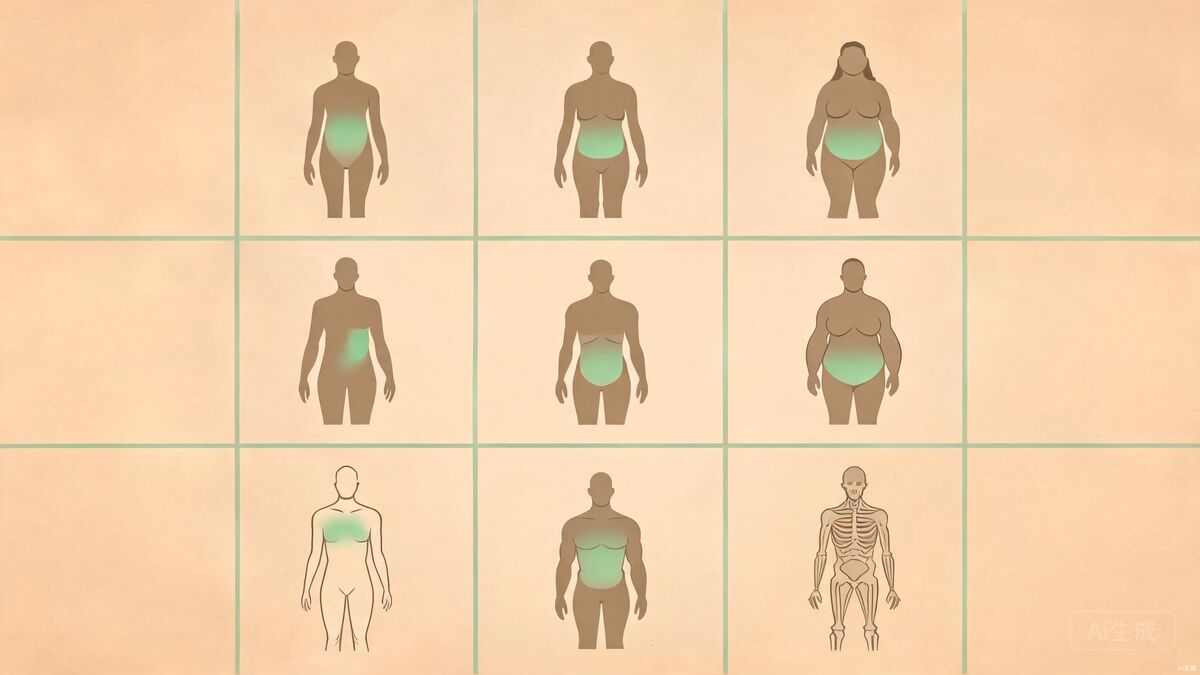
- TCM recognizes nine distinct body types (constitution) — each with unique physical traits, emotional tendencies, tongue signs, and health risks that shape how you respond to food, stress, and environment.
- Only about 30% of people are the Balanced type — most people have a tendency toward one or more imbalanced types that can be managed through targeted diet and lifestyle.
- Each type has a specific dietary and lifestyle prescription — for example, Yang Deficient types need warming foods, while Damp-Heat types need cooling, drying foods.
- Body types can mix and overlap — most people have one dominant type with secondary tendencies, and types can shift with age and lifestyle.
- Knowing your type is the foundation of personalized TCM self-care — it tells you which foods to favor, which to avoid, and which therapies will help you most.
1. What Are TCM Body Types?
In Traditional Chinese Medicine, your body type (体质, ti zhi) — also called your constitution — is your individual physical and energetic blueprint. It is the unique way your body is wired: how it metabolizes food, responds to stress, regulates temperature, handles emotions, and resists illness. While Western medicine largely treats everyone the same, TCM recognizes that each person has a distinct constitutional tendency that determines their strengths and vulnerabilities.
Modern TCM, based on the work of Professor Wang Qi and standardized in China, identifies nine body types. Only one — the Balanced type — represents optimal health. The other eight represent common tendencies toward imbalance. Your type is shaped by both congenital factors (what you inherit from your parents, called "innate essence" or Jing) and acquired factors (diet, lifestyle, environment, emotions, and age). While you cannot change your congenital baseline, you can profoundly influence how your type expresses itself through daily choices.
Knowing your body type is the single most useful piece of TCM self-knowledge. It tells you which foods will nourish you and which will harm you, which exercises suit your energy, which seasons require extra care, and which health issues to watch for. Instead of following generic health advice, you can tailor your wellness routine to your unique constitution. Let's explore the nine types in detail.
2. The Nine Body Types at a Glance
Before diving into each type individually, here is a comparison table to help you quickly identify which type(s) resonate most with your experience. Read through the key characteristics and note which type matches you best.
| Body Type | Core Trait | Key Symptoms | Tongue Sign |
|---|---|---|---|
| 1. Balanced (平和质) | Robust, harmonious | Few symptoms, good sleep and appetite, even temper | Pale pink, thin white coating |
| 2. Qi Deficient (气虚质) | Low energy, weak | Fatigue, shortness of breath, sweating, weak voice | Pale, teeth marks |
| 3. Yang Deficient (阳虚质) | Cold, undercharged | Cold hands and feet, pale complexion, prefers warmth | Pale, swollen, wet |
| 4. Yin Deficient (阴虚质) | Dry, overheated | Dry mouth, night sweats, afternoon flush, irritability | Red, little or no coating |
| 5. Phlegm-Damp (痰湿质) | Heavy, sluggish | Overweight, heavy limbs, sticky mouth, oily face | Swollen, thick white coating |
| 6. Damp-Heat (湿热质) | Hot and sticky | Acne, bitter taste, heavy limbs, yellow urine | Red, yellow greasy coating |
| 7. Blood Stagnation (血瘀质) | Dark, stuck | Dark complexion, easy bruising, fixed pain, dark lips | Purple or dark, purple spots |
| 8. Qi Stagnation (气郁质) | Tense, moody | Mood swings, chest tightness, frequent sighing, depression | Normal or slightly purple |
| 9. Special/Allergic (特禀质) | Sensitive, reactive | Allergies, asthma, sensitive skin, hay fever | Variable |
3. The Nine Types in Detail
Now let's examine each type in depth — its characteristics, tongue and pulse signs, and the specific diet and lifestyle that bring it into balance.
1. Balanced Type (平和质) — The Healthy Ideal
Characteristics: The Balanced type is the gold standard of health. People with this constitution have a well-proportioned build, good muscle tone, a healthy complexion, and abundant energy. They sleep well, digest easily, adapt to change without difficulty, and maintain an even, cheerful mood. They rarely get sick and recover quickly when they do.
Tongue: Pale pink body with a thin white coating. Pulse: Even, moderate, and rhythmic. Wellness focus: Maintain your balance. Eat a varied, seasonal diet, exercise regularly, manage stress, and follow the natural rhythms of day and night. This is the type everyone else is striving toward.
2. Qi Deficient Type (气虚质) — The Easily Exhausted
Characteristics: Qi Deficient types feel tired much of the time. Their energy is low, their voice is weak, and they sweat easily with little exertion. They catch colds frequently and recover slowly. They may have a soft, flabby build and a pale complexion. Mentally, they can feel mentally foggy and lack drive.
Tongue: Pale with teeth marks on the edges. Pulse: Weak, especially on light pressure. Dietary advice: Tonify qi with warm, sweet, easily digested foods — Chinese yam, rice porridge, chicken, beef, sweet potato, and red dates. Avoid cold, raw foods and overeating. See our qi-boosting foods guide. Lifestyle advice: Avoid overwork and excessive exercise. Practice gentle qigong. Prioritize regular sleep. Do not skip meals.
3. Yang Deficient Type (阳虚质) — The Cold and Chilly
Characteristics: Yang Deficient types run cold. Their hands and feet are frequently icy, they prefer warm food and drinks, and they feel uncomfortable in cold environments. They often have a pale or whitish complexion, a soft voice, and a quiet, withdrawn demeanor. They may urinate frequently and have loose stools.
Tongue: Pale, swollen, and wet with a thin white coating. Pulse: Slow and deep. Dietary advice: Warm and tonify yang with ginger, lamb, walnuts, leeks, cinnamon, and chicken. Avoid cold foods, raw foods, and iced drinks entirely. Lifestyle advice: Keep warm — especially the lower back, abdomen, and feet. Try ginger foot soaks and moxibustion. Exercise gently to generate warmth without exhaustion. Avoid air conditioning on cold settings.
4. Yin Deficient Type (阴虚质) — The Dry and Overheated
Characteristics: Yin Deficient types lack the cooling, moistening aspect of the body. They feel hot — especially in the palms, soles, and chest — and experience dry mouth (particularly at night), night sweats, and afternoon facial flushing. They tend to be thin, restless, and irritable, with difficulty falling asleep.
Tongue: Red with little or no coating, possibly cracked. Pulse: Thin and rapid. Dietary advice: Nourish yin with cooling, moistening foods — pear, lily bulb, tremella mushroom, goji berries, mung beans, and lotus root. Avoid spicy, fried, and heating foods, as well as coffee and alcohol. Lifestyle advice: Prioritize sleep — especially going to bed before 11 PM. Avoid overexertion and excessive sweating. Practice calming qigong or meditation. Stay hydrated with warm (not iced) water.
5. Phlegm-Damp Type (痰湿质) — The Heavy and Sluggish
Characteristics: Phlegm-Damp types tend to be overweight, with a heavy, sluggish feeling in the body and limbs. Their face may be oily, they may feel sticky in the mouth, and they often feel foggy and slow mentally. They prefer sweet, rich foods and tend to sleep a lot without feeling refreshed.
Tongue: Swollen with a thick white, greasy coating. Pulse: Slippery or rolling. Dietary advice: Drain dampness and transform phlegm with adzuki beans, coix seed (job's tears), Chinese yam, radish, and ginger. Strictly limit sweets, dairy, greasy foods, and cold drinks. See our dampness-removing foods guide. Lifestyle advice: Exercise regularly to move dampness — brisk walking, swimming, or cycling. Avoid damp environments. Eat smaller, lighter meals. Reduce sedentary time.
6. Damp-Heat Type (湿热质) — The Hot and Sticky
Characteristics: Damp-Heat types combine the heaviness of dampness with the agitation of heat. They are prone to acne, skin rashes, and oily skin, especially on the face. They experience a bitter or sticky taste in the mouth, heavy limbs, irritability, and dark or scanty urine. They feel uncomfortable in hot, humid weather.
Tongue: Red with a yellow, greasy coating. Pulse: Rapid and slippery. Dietary advice: Clear heat and drain dampness with bitter melon, mung beans, coix seed, celery, cucumber, and green tea. Avoid spicy, fried, sweet, greasy, and alcohol-heavy foods. Lifestyle advice: Exercise in cooler parts of the day. Keep the living environment dry and well-ventilated. Avoid hot, humid conditions. Maintain regular digestion — don't skip meals or overeat.
7. Blood Stagnation Type (血瘀质) — The Dark and Stuck
Characteristics: Blood Stagnation types have poor blood circulation. Their complexion may be dark or dull, their lips dark purple, and they bruise easily. They experience fixed, stabbing pain (especially with menstrual cramps that produce dark clots). They may have dark circles under the eyes and a sense of chest fullness.
Tongue: Purple or dark, with purple spots under the surface. Pulse: Choppy or wiry. Dietary advice: Invigorate blood circulation with rose tea, turmeric, ginger, black beans, hawthorn, and small amounts of wine. Avoid cold foods and excessive sitting. See our blood-nourishing foods guide for complementary support. Lifestyle advice: Move your body daily — walking, dancing, and yoga improve blood flow. Express emotions rather than suppressing them. Keep warm, especially during menstruation.
8. Qi Stagnation Type (气郁质) — The Tense and Moody
Characteristics: Qi Stagnation types are emotionally sensitive and prone to mood swings, anxiety, and mild depression. They frequently sigh, feel tightness or fullness in the chest, and have difficulty expressing emotions. Their digestion is strongly affected by their mood — they lose appetite when stressed and may experience bloating.
Tongue: Normal or slightly purple, possibly with thin white coating. Pulse: Wiry. Dietary advice: Move qi and soothe the Liver with rose tea, chrysanthemum tea, citrus peel, celery, and radish. Avoid excessive coffee and alcohol, which aggravate Liver qi. Lifestyle advice: Emotional expression is essential — journal, talk, create, or seek counseling. Practice stress-relieving qigong or meditation. Spend time in nature. Maintain social connections. Regular gentle exercise helps move stuck qi.
9. Special/Allergic Type (特禀质) — The Sensitive and Reactive
Characteristics: The Special type is characterized by heightened sensitivity and allergic tendencies. These individuals are prone to hay fever, asthma, eczema, hives, and food or medication allergies. Their skin is often sensitive, and they may have a family history of allergic conditions. They react to environmental triggers that others tolerate without issue.
Tongue: Variable, often with a thin coating. Pulse: Variable, often thin. Dietary advice: Strengthen defensive qi and reduce reactivity with foods that support immunity — Chinese yam, red dates, goji berries, and rice porridge. Strictly avoid known allergens. Limit cold, raw, and overly stimulating foods. Lifestyle advice: Strengthen the Lungs and immune system with gentle qigong. Avoid known triggers. Keep the living environment clean. Dress appropriately for weather changes. Consider our acupressure for stress to calm the nervous system.
4. Diet and Lifestyle Summary by Type
Here is a quick-reference summary of the most important dietary and lifestyle focus for each type, to help you put your knowledge into practice immediately.
| Body Type | Foods to Favor | Foods to Avoid | Lifestyle Focus |
|---|---|---|---|
| Balanced | Varied, seasonal, moderate | Extremes of any kind | Maintain balance; seasonal living |
| Qi Deficient | Chinese yam, rice, chicken, red dates | Cold, raw, irregular meals | Regular meals, gentle exercise, adequate rest |
| Yang Deficient | Ginger, lamb, walnuts, cinnamon | Cold, raw, iced drinks | Keep warm, moxibustion, gentle exercise |
| Yin Deficient | Pear, lily bulb, tremella, goji | Spicy, fried, coffee, alcohol | Early sleep, hydration, calming practices |
| Phlegm-Damp | Adzuki beans, coix seed, radish, ginger | Sweets, dairy, greasy foods | Regular exercise, light meals, dry environment |
| Damp-Heat | Bitter melon, mung beans, celery, green tea | Spicy, fried, sweet, alcohol | Exercise in cool settings, ventilation, regular meals |
| Blood Stagnation | Rose tea, turmeric, ginger, black beans, hawthorn | Cold foods, prolonged sitting | Daily movement, emotional expression, warmth |
| Qi Stagnation | Rose tea, citrus peel, celery, radish | Excessive coffee, alcohol | Emotional expression, nature, social connection |
| Special/Allergic | Chinese yam, red dates, goji, rice porridge | Known allergens, cold raw foods | Strengthen immunity, avoid triggers, gentle qigong |
5. Body Types Can Mix — and That's Normal
One of the most important things to understand about TCM body types is that they are not rigid, exclusive categories. Most people do not fit neatly into just one box. Instead, you typically have one dominant type — the constitution that most strongly shapes your overall tendencies — combined with elements of one or two secondary types.
For example, a person might be primarily Qi Deficient (always tired, weak voice, pale tongue with teeth marks) but also show signs of Phlegm-Damp (heavy feeling, thick coating, tendency to gain weight). In that case, the wellness approach would focus first on tonifying qi, while also incorporating some dampness-draining foods like ginger and coix seed. Another person might be primarily Yang Deficient (cold hands and feet, loves warmth) with a secondary tendency toward Qi Stagnation (mood swings, chest tightness) — requiring both warming foods and stress management.
Furthermore, your body type can shift over time. A naturally Balanced person can develop Qi Deficiency from years of overwork and poor diet. A Damp-Heat type can become Yin Deficient after prolonged stress and sleep deprivation. Pregnancy, menopause, major illness, relocation to a different climate, and aging can all shift your constitutional expression. Your congenital baseline — the type you were born with — usually remains your foundation, but how it manifests is profoundly influenced by how you live.
Identify your dominant type by finding the description that matches most of your lifelong tendencies — not just how you feel today. Then look for secondary tendencies that also strongly apply. Focus your wellness efforts on your dominant type first, since addressing the root pattern often improves secondary issues as well. Be patient — constitutional change happens over months, not days. And remember that self-assessment is a starting point. For the most accurate and personalized guidance, consult a licensed TCM practitioner who can evaluate your tongue, pulse, and full history.
Frequently Asked Questions
What are the 9 body types in TCM?
The nine TCM body types are: Balanced (平和质), the healthy ideal with robust energy and few symptoms; Qi Deficient (气虚质), marked by chronic fatigue and weakness; Yang Deficient (阳虚质), characterized by coldness and a preference for warmth; Yin Deficient (阴虚质), marked by dryness, heat, and night sweats; Phlegm-Damp (痰湿质), characterized by heaviness, obesity, and sluggishness; Damp-Heat (湿热质), marked by acne, bitterness, and sticky heaviness; Blood Stagnation (血瘀质), marked by dark complexion and fixed pain; Qi Stagnation (气郁质), characterized by mood swings and chest tightness; and Special/Allergic (特禀质), marked by allergies and heightened sensitivity. Each type has distinct physical traits, tongue signs, and health risks, and each responds best to specific dietary and lifestyle adjustments.
Can you have more than one TCM body type?
Yes — in fact, most people do. The nine types are not mutually exclusive categories but overlapping tendencies. Most people have one dominant type that most strongly shapes their overall constitution, combined with elements of one or two secondary types. For example, someone might be primarily Qi Deficient with secondary Phlegm-Damp, or Yang Deficient with Blood Stagnation. When this happens, focus your wellness efforts on your dominant type first, then address secondary tendencies as your primary pattern improves. A qualified TCM practitioner can help you identify your exact combination through tongue and pulse diagnosis. The key is to treat your body as a whole, not to force yourself into a single category.
Can your TCM body type change over time?
Yes, your body type can shift over time, though your underlying congenital tendency usually remains your baseline. Acquired factors — diet, lifestyle, stress, environment, age, and major life events like pregnancy or menopause — all influence how your constitution expresses itself. For example, a naturally Balanced type can develop Qi Deficiency from years of overwork and irregular eating. A Damp-Heat type can become Yin Deficient after prolonged stress and poor sleep. The goal of TCM self-care is not to permanently change your type but to manage your tendencies so they do not become active imbalances. By eating and living in a way that supports your constitution, you keep your type's negative tendencies in check and maximize its strengths.
How do I find out my TCM body type?
You can begin by reading the descriptions and comparison table in this guide and identifying which type matches most of your lifelong traits. For a more structured approach, try a body type quiz that asks about your symptoms, temperature preferences, emotional tendencies, and physical characteristics. The most accurate assessment comes from a qualified TCM practitioner, who evaluates your tongue, pulse, complexion, medical history, and current symptoms together to determine your dominant and secondary types. Use self-assessment as a starting point for personalizing your diet and lifestyle — not as a medical diagnosis. As you apply the dietary and lifestyle recommendations for your type, you will also learn to recognize your body's responses and refine your approach over time.
This article is for educational and informational purposes only and is not a substitute for professional medical advice, diagnosis, or treatment. The body type descriptions here are traditional TCM constitutional classifications intended to help you understand your wellness tendencies and make informed lifestyle choices — they are not medical diagnoses and cannot identify or treat any disease. Body type self-assessment is approximate; for an accurate constitutional evaluation, consult a licensed TCM practitioner. If you have a medical condition, are pregnant, or take medication, always consult your healthcare provider before making significant dietary or lifestyle changes. Read our full disclaimer →