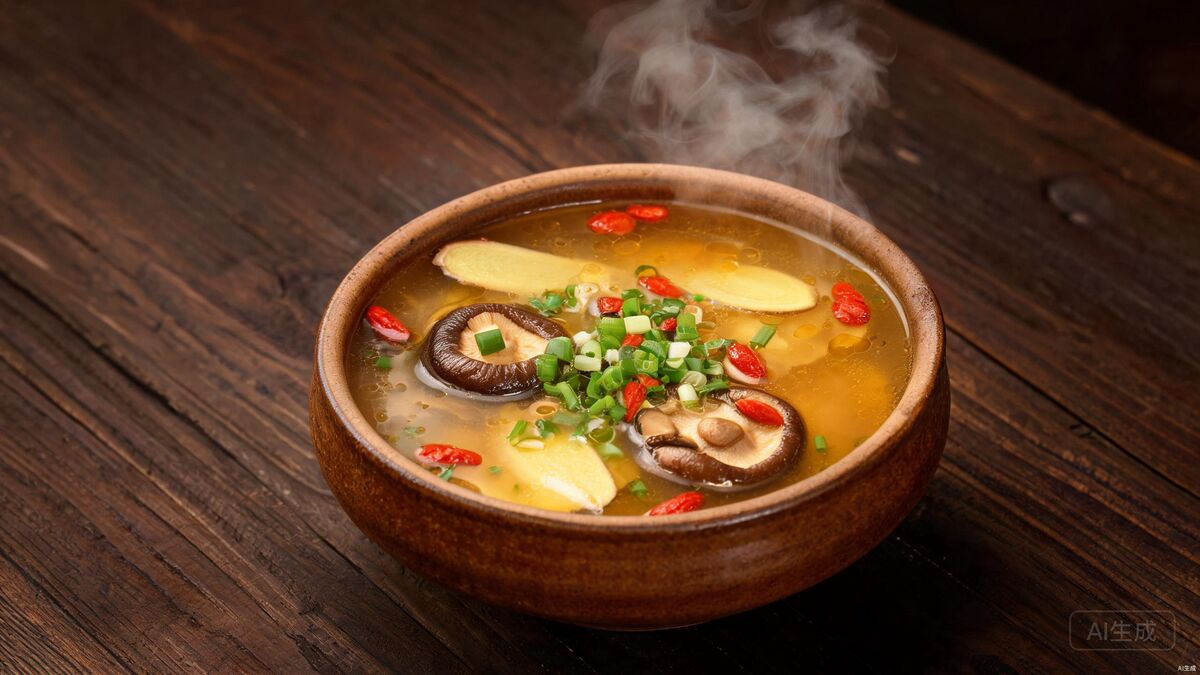
Key Takeaways
- This soup is built on three core TCM ingredients: astragalus (huang qi) to tonify Qi and consolidate the exterior, red dates to nourish the Spleen, and goji berries to nourish Liver and Kidney.
- It is designed for Qi-deficient, low-immunity patterns — people who catch colds easily, feel chronically tired, or recover slowly from illness.
- Drink it 2 to 3 times per week as a preventive measure, especially in autumn and winter. Stop immediately if you develop a cold or fever.
- Both a chicken and a vegetarian (mushroom) version are included — the core therapeutic effect comes from the herbs, not the meat.
- All dried ingredients are available at Asian grocery stores and on Amazon, and they keep for months in a dry pantry.
1. Why a Soup for Immunity?
In Traditional Chinese Medicine, the immune system is understood through a concept called Wei Qi (卫气), or "defensive Qi." Wei Qi is a specific type of energy that circulates just beneath the skin and at the body's surface, functioning much like a shield. It controls the opening and closing of the pores, regulates sweating, and — most importantly — defends the body against external pathogens like wind, cold, and dampness that TCM identifies as the causes of colds and flu. When your Wei Qi is strong, pathogens bounce off you. When it is weak, they slip through, and you get sick.
Wei Qi is produced by the Lungs, which disperse it to the surface, and it is nourished by the Spleen and Stomach, which generate Qi from the food you eat. This is why, in TCM, immunity is not just about the immune system in the Western sense — it is about the strength of your digestive function and the health of your Lungs. A person with weak Spleen Qi (poor digestion, low appetite, fatigue after eating) will inevitably have weak Wei Qi, because the body cannot manufacture enough defensive energy from what it consumes. This is also why TCM treats immunity through food therapy rather than just herbs or acupuncture: the very substance that builds your immune shield is extracted from what you eat.
This soup is one of the most effective and time-tested food therapy formulas for strengthening Wei Qi. It is not a quick fix for an active cold — it is a preventive, building remedy that you eat regularly during cold and flu season to shore up your defenses before illness strikes. Think of it as armor you eat. The three core ingredients — astragalus, red dates, and goji berries — have been combined in Chinese kitchens for centuries precisely because they address the root of immune weakness: insufficient Qi, weak Spleen function, and depleted reserves.
2. The Three Core Ingredients
Astragalus Root (黄芪, Huang Qi)
Astragalus is arguably the most important immune-enhancing herb in all of Chinese medicine. It is classified as warm in nature and sweet in flavor, and its primary actions are to tonify the Spleen and Lung Qi, lift the Yang, and consolidate the exterior. "Consolidating the exterior" is the TCM way of saying that astragalus strengthens the Wei Qi and tightens the pores, making it harder for pathogens to enter the body. Modern pharmacological research has shown that astragalus contains polysaccharides and saponins that stimulate immune cell activity, enhance antibody production, and have measurable antiviral effects — which aligns remarkably well with its traditional use.
In this soup, astragalus is the foundational ingredient. It comes as long, flat, pale-yellow slices of dried root that look a bit like wooden tongue depressors. You will not eat the slices themselves — they are too fibrous and woody — but their medicinal essence infuses into the broth during the long simmer. After cooking, you simply remove and discard the astragalus slices before serving. The standard dose for a therapeutic soup is 30 grams, which is about a small handful of slices.
Astragalus consolidates the exterior — it tightens the body's surface to keep pathogens out. If a pathogen has already entered (i.e., you have a cold or fever), astragalus can trap it inside and worsen the illness. Stop drinking this soup the moment you feel a cold coming on, and do not resume until you are fully recovered. This is the single most important rule for using astragalus safely.
Red Dates (红枣, Hong Zao)
Red dates, the dried fruit of the jujube tree, are classified as warm and sweet. Their role here is to nourish the Spleen, replenish Qi, and build Blood. Since the Spleen is the organ that produces the Qi which becomes Wei Qi, strengthening the Spleen is essential to strengthening immunity. The dates also harmonize the formula, smoothing out the potentially drying effect of astragalus and making the soup gentler on the stomach. Their natural sweetness gives the broth a pleasant, mellow flavor that makes the soup feel nourishing rather than medicinal.
Goji Berries (枸杞子, Gou Qi Zi)
Goji berries — now widely available in Western health food stores — are classified in TCM as neutral and sweet. They nourish the Liver and Kidneys, replenish Yin and Blood, and benefit the essence (Jing). While astragalus works on the Qi and the surface, goji berries work on the deeper, foundational reserves of the body. In TCM theory, the Kidneys are the "root of innate Qi" and store the body's deepest energy reserves. By nourishing the Kidneys, goji berries ensure that the immune-boosting action of the astragalus is supported from below. They also add a lovely, slightly tart sweetness and a pop of red color to the finished soup.
3. Who Should Drink This Soup?
This soup is a preventive tonic, not a treatment for acute illness. It is best suited for people who experience the following signs of Qi deficiency and weak immunity:
Signs You May Benefit
- Frequent colds — you catch every cold that goes around, often 4 or more per year.
- Colds that linger — when you do get sick, it takes weeks to fully recover.
- Chronic fatigue and low energy — you feel tired even after rest, especially in the mornings.
- Shortness of breath or a weak voice — you tire easily when speaking or climbing stairs.
- Spontaneous sweating — you sweat easily with little exertion, a sign that the pores are not being properly controlled by Wei Qi.
- Poor appetite and loose stools — signs of Spleen Qi deficiency, the root of weak immunity in TCM.
- Generally feeling "run down" — a vague but real sense that your resistance is low.
Who Should Avoid It
Do not drink this soup if you currently have a cold, flu, or fever — the astragalus will trap the pathogen inside. Also avoid it if you have signs of excess heat or stagnation: a red face, irritability, high blood pressure that is not well controlled, thick yellow tongue coating, or a feeling of fullness and pressure in the chest. If you have an autoimmune condition, consult your doctor before using astragalus, as it stimulates the immune system and may interfere with immunosuppressive medications.
4. The Recipe: Immune-Boosting TCM Soup
This recipe makes 3 to 4 servings. The total cooking time is about 1 hour and 45 minutes, most of which is gentle, unattended simmering. A clay pot, enamel Dutch oven, or slow cooker is ideal. Avoid iron or aluminum pots, which can react with the herbs.
Ingredients
| Ingredient | Amount | Notes |
|---|---|---|
| Astragalus root (huang qi) | 30g (about 10–15 slices) | Dried, sliced root. Do not use powder. Available at Asian markets and online. |
| Dried red dates (jujubes) | 6–8 pieces | Pit them before cooking for better flavor and to avoid bitterness. |
| Goji berries | 15g (about 1 tablespoon) | Standard dried goji berries. Rinse before use. |
| Chicken (bone-in) OR mushrooms | ¼ chicken (about 300g) OR 100g shiitake/maitake mushrooms | Bone-in chicken (thighs or drumsticks) makes a richer broth. For vegetarian, use mushrooms. |
| Water | 8 cups (about 2 liters) | Filtered water is best. The soup will reduce by about a third. |
| Ginger | 2–3 slices | Fresh, unpeeled. Removes any gaminess from the chicken and warms the digestion. |
| Salt | To taste (about 1 teaspoon) | Add only at the very end. Sea salt or kosher salt preferred. |
| Scallion (optional) | 1 stalk | Cut into pieces and add in the last 5 minutes for a fresh finish. |
Step-by-Step Instructions
- Prepare the herbs. Rinse the astragalus slices, red dates, and goji berries under cold water. Pit the red dates by making a slit with a small knife and popping the hard seed out. Place the astragalus and pitted dates in a bowl of water to soak for 20 minutes while you prepare the rest. Keep the goji berries separate — they go in later.
- Prepare the chicken (or mushrooms). If using chicken, cut it into 3 or 4 pieces through the bone. Blanch the chicken: place it in a pot of cold water, bring to a boil, and let it boil for 2–3 minutes. Drain and rinse the chicken pieces under cold water. This removes blood and impurities that would cloud the soup. If using mushrooms, clean them with a damp cloth and cut into bite-sized pieces. Dried shiitakes should be rehydrated in warm water for 20 minutes first; slice them and save the soaking liquid to add to the soup.
- Combine in the pot. Place the blanched chicken (or mushrooms), soaked astragalus, pitted red dates, ginger slices, and 8 cups of water into your soup pot. If you saved mushroom soaking liquid, add it now. Bring to a boil over medium-high heat.
- Simmer low and slow. Once boiling, reduce the heat to the lowest setting. Skim off any foam that rises to the top. Cover with a lid, leaving a small crack. Simmer gently for 1 hour to 1 hour and 15 minutes. The broth should barely bubble — a slow, lazy simmer extracts the medicinal compounds without making the broth bitter or cloudy.
- Add the goji berries. In the last 15 minutes of cooking, add the rinsed goji berries. Adding them earlier will cause them to disintegrate and turn the soup cloudy; adding them late preserves their shape and flavor while still releasing their nutrients.
- Season and finish. Remove the pot from heat. Fish out and discard the astragalus slices — they have given their medicine to the broth and are too woody to eat. Add salt to taste. If using scallion, stir it in now. The red dates and goji berries are edible and delicious — eat them along with the soup.
One serving is about 1½ to 2 cups of broth, plus the solid ingredients. Drink it 2 to 3 times per week as a preventive measure during cold and flu season. Eat it warm, ideally at lunch or early dinner — the nourishing, slightly warming nature of the soup is best absorbed during the active part of the day. Do not drink it at night if you are sensitive to its energizing effect.
5. The Vegetarian Version
The vegetarian version of this soup is just as therapeutically effective for immunity, because the core immune-boosting action comes from the astragalus, red dates, and goji berries — not the meat. Mushrooms are the ideal substitute for chicken, both for flavor depth and for their own medicinal properties.
In TCM, shiitake mushrooms are classified as neutral and sweet, and they are said to tonify Qi, nourish the Blood, and support the Stomach. Modern research confirms that shiitake and other medicinal mushrooms contain beta-glucans that stimulate immune function — making them a perfect complement to astragalus. Use a mix of shiitake (fresh or dried), maitake, oyster, or button mushrooms for the best flavor. Dried shiitakes, rehydrated, give the broth a deep, savory umami that closely mimics a meat broth.
To make the vegetarian version, follow the same recipe, substituting 100g of mushrooms for the chicken and using vegetable broth or water instead of the chicken blanching step. Add the mushrooms at the beginning with the herbs. Everything else remains the same. The result is a clear, golden, savory broth with all the immune-boosting power of the original.
6. Where to Buy Ingredients
While the chicken, ginger, and salt are available anywhere, the three medicinal ingredients require a trip to an Asian grocery store or an online order. Fortunately, they are inexpensive, widely available, and keep for months.
| Ingredient | Where to Buy | What to Look For |
|---|---|---|
| Astragalus root (huang qi) | Asian grocery stores, Chinese herb shops, Amazon, online TCM suppliers | Dried, sliced root — pale yellow, flat, fibrous slices. Look for "astragalus root slices" or "huang qi." Frontier Co-op and Plum Flower are reliable brands. Avoid powder for this recipe. |
| Dried red dates (jujubes) | Asian grocery stores, Amazon, online herb shops | Whole dried jujubes, reddish-brown and slightly soft. Avoid candied versions. Crimson and Pat Chun are common brands. |
| Goji berries | Health food stores, Whole Foods, Trader Joe's, Asian markets, Amazon | Dried, bright red-orange berries. They should be pliable, not rock-hard. Organic goji berries are widely available now. |
| Dried shiitake mushrooms (for vegetarian version) | Asian grocery stores, most large supermarkets, Amazon | Dried whole or sliced shiitakes. They rehydrate to many times their size and give a deep umami flavor to broths. |
Buying tip: Many online sellers offer "TCM soup kits" or "astragalus soup packs" that bundle astragalus, red dates, and goji berries together — a convenient way to get started. Once you have the ingredients, store the astragalus and dates in airtight containers in a cool, dry pantry for up to a year, and keep goji berries in the refrigerator for maximum freshness.
7. Precautions and Safety
This is a powerful, food-based formula, and like all medicinal foods it needs to be used appropriately. Read these precautions carefully:
- Never use during an active cold, flu, or fever. This is the most important rule. Astragalus consolidates the exterior and can trap a pathogen inside the body, making an illness worse and longer. Stop the soup the moment you feel symptoms, and do not resume until you are fully recovered.
- Do not drink daily. Astragalus is a strong Qi tonic. Long-term daily use can lead to Qi stagnation — feelings of chest fullness, bloating, or irritability. Cycle it: 2 to 3 times per week for 3 to 4 weeks, then take a 1 to 2 week break.
- Autoimmune conditions. Because astragalus stimulates the immune system, it may interfere with immunosuppressive medications used for autoimmune diseases like lupus, rheumatoid arthritis, or multiple sclerosis. Consult your rheumatologist or prescribing doctor before using astragalus regularly.
- Pregnancy and nursing. While red dates and goji berries are common pregnancy foods, astragalus in medicinal doses should be used with professional guidance during pregnancy. Consult your obstetrician or a qualified TCM practitioner.
- High blood pressure. Some people with hypertension may experience a slight increase in blood pressure from astragalus. Monitor your levels and consult your doctor if you have uncontrolled high blood pressure.
- Bleeding disorders and surgery. Astragalus may have a mild blood-thinning effect. Stop using it at least 2 weeks before any scheduled surgery, and consult your doctor if you take blood thinners.
Frequently Asked Questions
Can I drink this immune-boosting soup daily?
It is not recommended to drink this soup every day. Astragalus is a potent Qi-tonifying herb, and your body needs time to integrate its effects. Taking it daily for extended periods can lead to Qi stagnation — a feeling of stuffiness, bloating, chest tightness, or even mild irritability and restlessness. The traditional and safest approach is to drink the soup 2 to 3 times per week for 3 to 4 weeks, then take a break of 1 to 2 weeks before starting another cycle. This cycling allows your body to absorb the benefits without overloading your system. If you feel any sense of fullness or agitation, reduce the frequency or take a break entirely.
Is there a vegetarian version of this soup?
Yes, and it is just as effective. Simply omit the chicken and use mushrooms instead — shiitake, maitake, or oyster mushrooms are ideal. In TCM, shiitake mushrooms are themselves considered a Qi-tonifying food, and modern research confirms their immune-enhancing beta-glucans. The core therapeutic effect — strengthening Wei Qi, nourishing the Spleen, and supporting the Kidneys — comes from the astragalus, red dates, and goji berries, all of which are plant-based. Use vegetable broth or extra water as the base, add the mushrooms at the beginning with the herbs, and follow the same simmering method. The vegetarian version is equally powerful for immunity.
Can I add other herbs to this soup?
Yes, but keep it simple and do not overcomplicate the formula. Good additions include dried Chinese yam (shan yao, 20g) to further strengthen the Spleen and digestion, or cordyceps (dong chong xia cao, 5–10g) for deeper Lung and Kidney tonification — especially useful for people with chronic respiratory weakness. American ginseng (xi yang shen, 5g) can be added if you also feel Yin-deficient (dry, thirsty, slightly warm). However, avoid adding strongly heating herbs like Asian ginseng (ren shen) or deer antler unless directed by a qualified practitioner, as they can cause internal heat, irritability, or insomnia when combined with astragalus. The three core ingredients are already a balanced, time-tested combination — less is more.
What is the best season to drink this immune-boosting soup?
Autumn and winter are the ideal seasons. This is when cold and flu viruses are most active, when the weather exposes the body to wind and cold, and when your defensive Wei Qi is under the most strain. The traditional approach is to begin drinking this soup in early to mid-autumn, 2 to 3 times per week, to build up your immune reserves before winter arrives. Continue through the winter months, taking breaks as described above. It is also helpful during seasonal transitions like early spring, when weather fluctuates and colds are common. Avoid drinking it regularly during the height of summer, as the warming, Qi-tonifying nature of astragalus can feel heavy and warming when the body is already dealing with external heat — unless you specifically feel Qi-deficient and fatigued even in summer.
This article is for educational and informational purposes only and is not a substitute for professional medical advice, diagnosis, or treatment. The food therapy recipe described here is a traditional wellness practice and is not intended to treat, cure, or prevent any disease. Astragalus and other herbs can interact with medications and may not be suitable for everyone, especially those with autoimmune conditions, on immunosuppressive drugs, or who are pregnant. Always consult a qualified healthcare provider before beginning any new dietary or herbal practice, especially if you have a medical condition or take prescription medication. Read our full disclaimer →